More Fennel info
A flavorful herb providing support from digestion to motherhood.
What are the Benefits of Fennel? From “bulb” to frilly frond, fennel has been a trusted herbal ally for centuries. Most commonly known as a carminative, fennel helps to relax muscles in the digestive tract helping to alleviate uncomfortable cramping, gassiness, and bloating. The key to this herbal power resides in its high essential oil content, found most abundantly in the seeds.
Fennel’s wide range of benefits make it the perfect herb to always keep on hand. In addition to its digestive support, herbalists of the ages have used fennel for everything from helping to relieve temporary water weight gain to supporting lactation in breastfeeding mothers.
Many ancient cultures throughout history have revered fennel for its charming properties. They believed in its power to bestow long life, courage, strength, and even to ward off evil spirits – all of which may have been hints to the plant’s actual benefits.
In India, Ayurvedic healers praised fennel for its ability to balance the three body types, or doshas. In Traditional Chinese Medicine, practitioners used fennel as a warming herb to help maintain digestive health. In the Mediterranean region, fennel’s native home, ancient physicians like Hippocrates, Pliny the Elder, and Dioscorides praised fennel for its ability to soothe occasional indigestion and to help support mothers in the production of breastmilk.
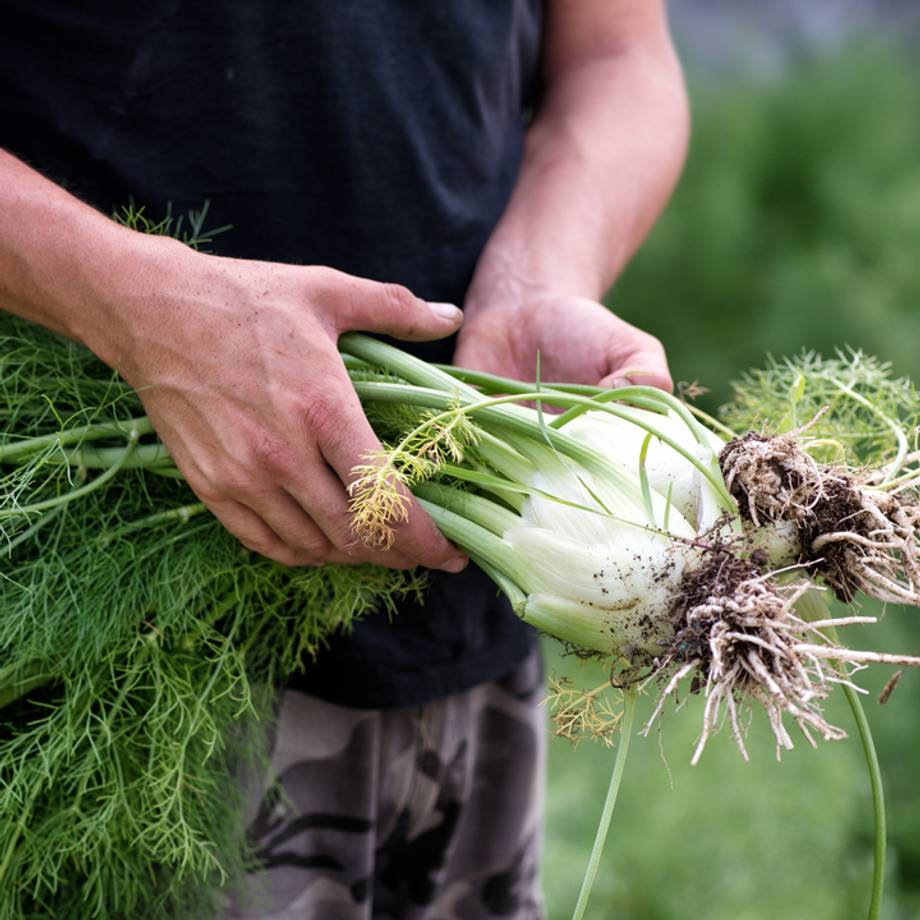
While fennel seeds are most commonly used in herbalism, every part of fennel, from “bulb” (technically not a bulb, but enlarged, overlapping petioles or bases of the leaves) and stem to leaf and seed has found its way into culinary creations around the world. Sliced into rounds and soaked in simple syrup, fennel stems make for sweet, black licorice-y flavored after-meal candies. Its bulb can be sautéed or baked as a side dish in and of itself or slivered and eaten raw atop salad. Find its seeds stuffed into sausages and bread doughs such as a classic rye loaf. Have you ever been served a spoonful of dried fennel seeds after a rich meal at an Indian restaurant? This classic tradition is the perfect marriage of flavor and function!
Given its relationship to the digestive system and unique flavor, it’s no surprise fennel is infused into so many mealtime traditions.
There are 5 species of fennel belonging to the genus Foeniculum. Bitter fennel, sweet fennel, and Florence fennel all belong to the same species, Foeniculum vulgare. The genus name comes from the Latin word, foen, meaning “hay,” the scent of the plant’s dried leaves.
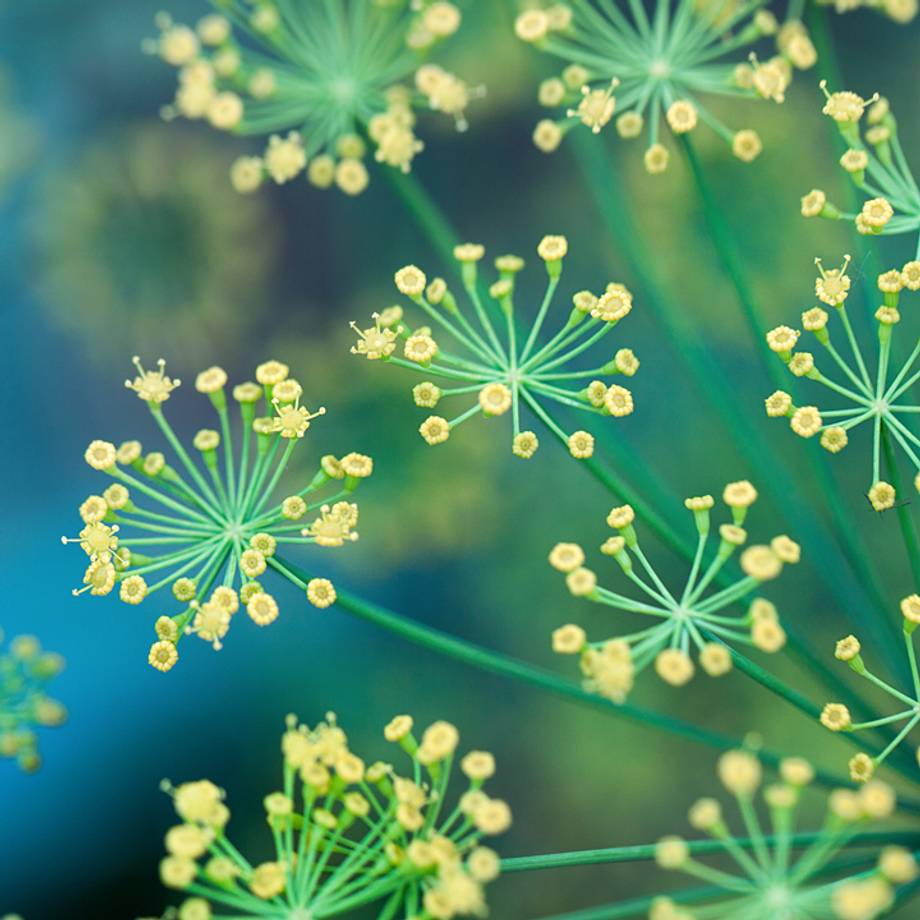
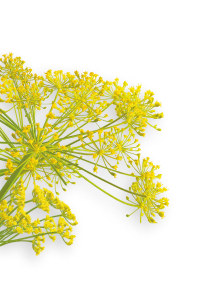
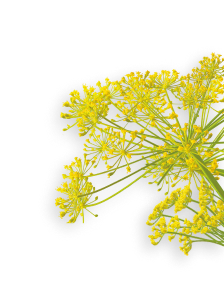
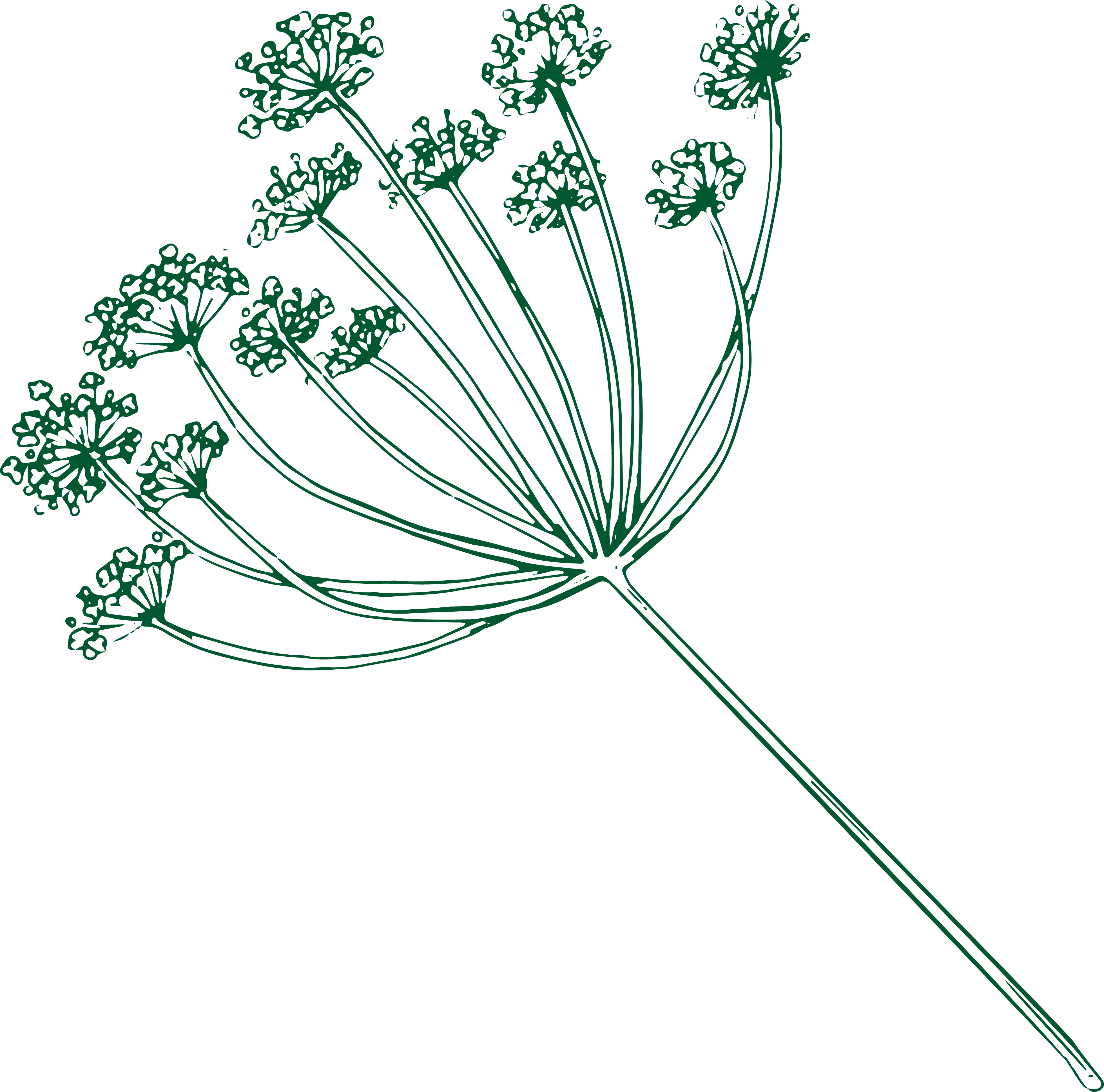
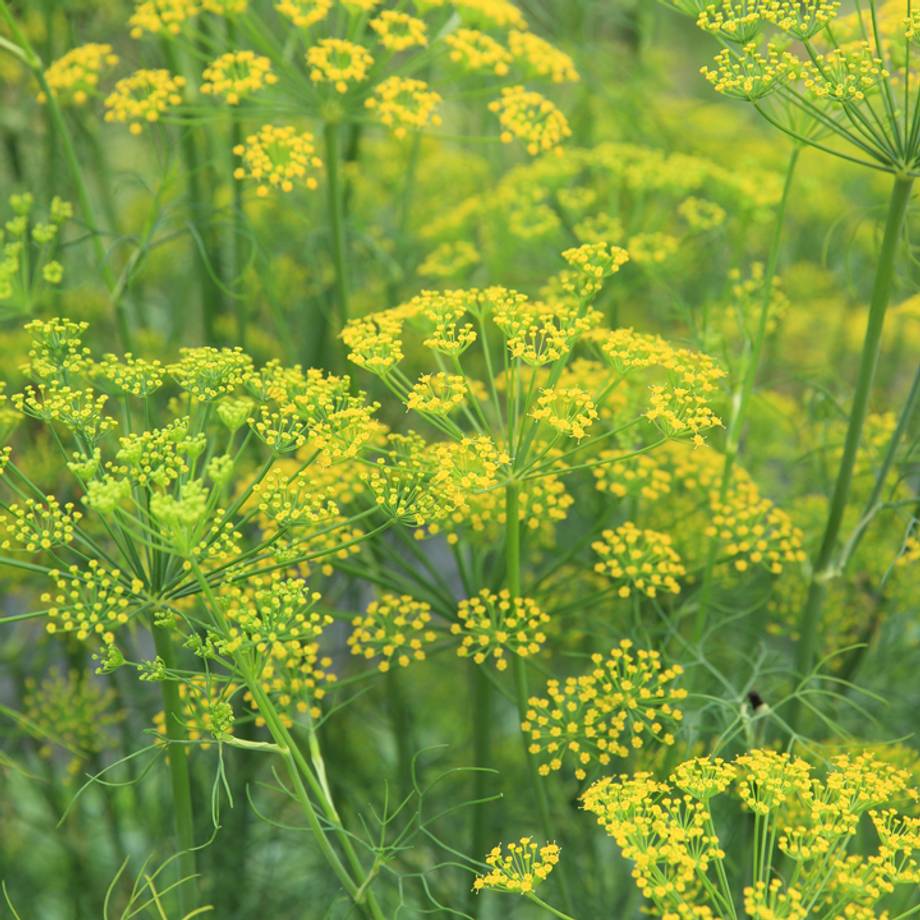
Native to the Mediterranean region and parts of Africa and Asia, fennel is a hardy and short-lived perennial with yellow flowers that are organized into a compound umbel, looking somewhat like an umbrella. Fennel thrives in full sun and well-drained soils, growing well in coastal regions.
Products that contain Fennel
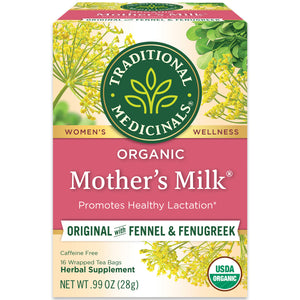
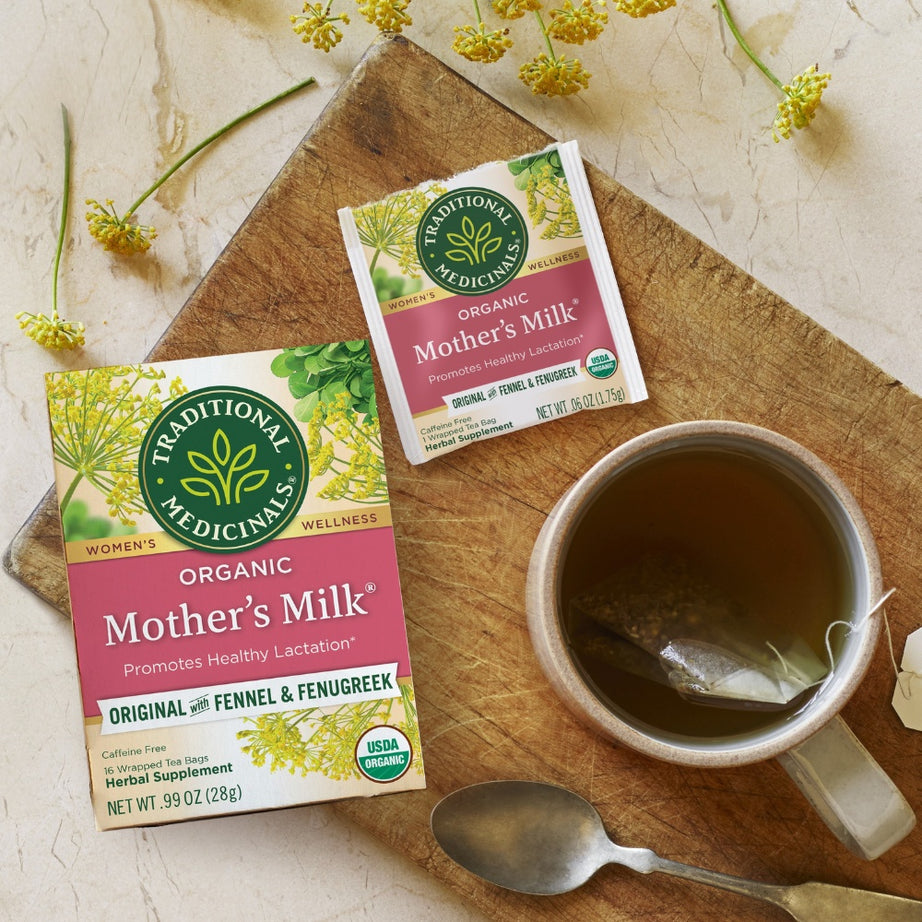
Mother's Milk® Tea
Belly Comfort® Peppermint Tea
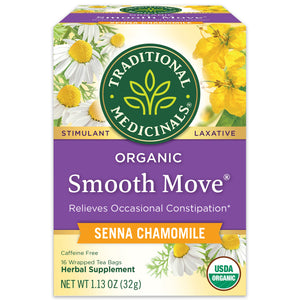
Smooth Move® Chamomile Tea
Additional Information
Important Precautions
Avoid fennel if you are allergic to plants in the parsley (Apiaceae) family. Consult a healthcare practitioner prior to use if you are pregnant or breastfeeding.
Legal Disclaimer
The information and other content in this article are designed to provide a general overview of the botany, cultural history, and traditional uses of this herb. It is not intended and should not be construed as health advice. Every person is unique and you should consult with your health care provider before using any herbal product or supplement.
Become an Herb Nerd & Get 10% Off!
Herbal tidbits, DIY plant projects, exclusive discounts, and recipes to follow the seasons delivered straight to your inbox.