More Valerian info
“Be well” with this herbal sleep aid.
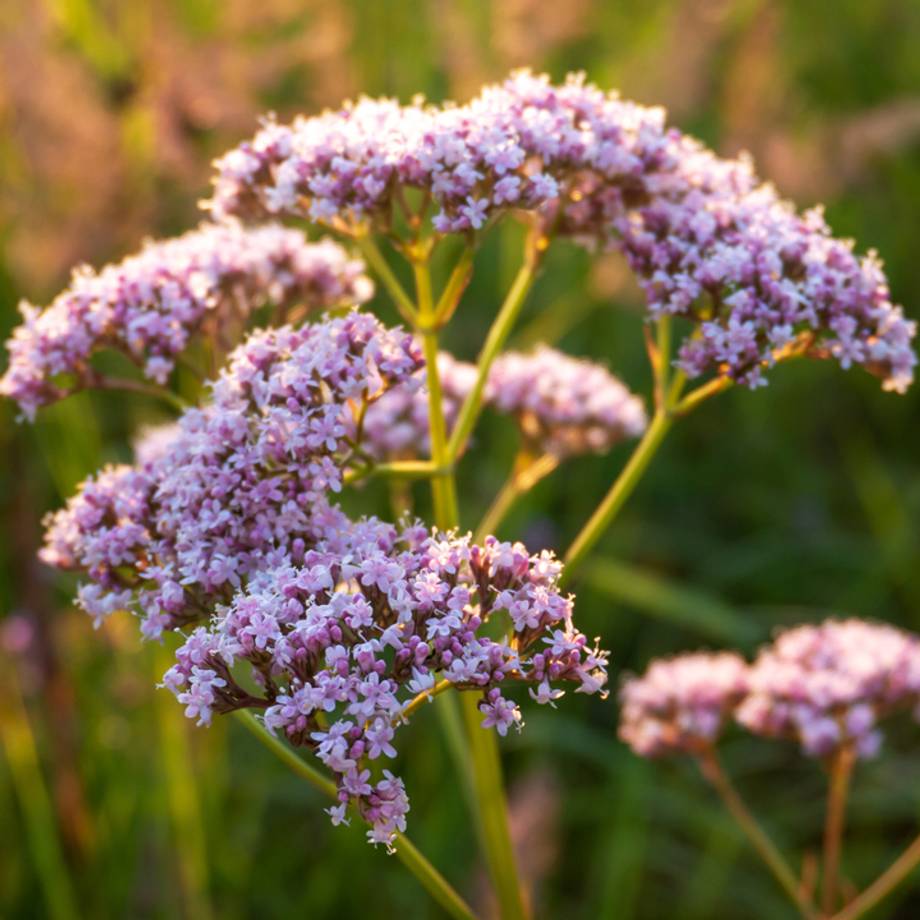
What are the Benefits of Valerian? Valerian root (Valeriana officinalis) has been widely used as a gentle herbal sedative and is considered one of nature’s great sleep aids, making it a favorite amongst herbalists for its sleep-supporting benefits.
Classified in Western Herbalism as a nervine, it works by encouraging the body towards a parasympathetic state, known for inducing “rest and digest,” which decreases the heart rate, relaxes the muscles, and prepares the body for rest. Studied use of valerian has demonstrated the positive effects of this powerhouse herb, suggesting that valerian root can both support good sleep quality, and help us fall asleep on the occasional sleepless night.
Valerian root is native to Europe and western Asia, where it’s been historically incorporated into daily routines for wellness and vitality by emperors, saints, and even the “father of medicine,” Hippocrates. The name, valerian, comes from the Latin word ‘valere,’ which essentially means to ‘be well.’ For herbalists and those familiar with valerian, it is no surprise that its name means “to be well.” This time-tested herbhas been used for thousands of years to ease occasional sleepless nights and nervous system tension.
Along with other ancient physicians, Hippocrates identified and documented valerian root as a carminative, uterine ally, and an herb to ease occasional mild nausea. In the modern day, herbalists, naturopaths, and plant people rely on valerian to help support a good night's sleep.
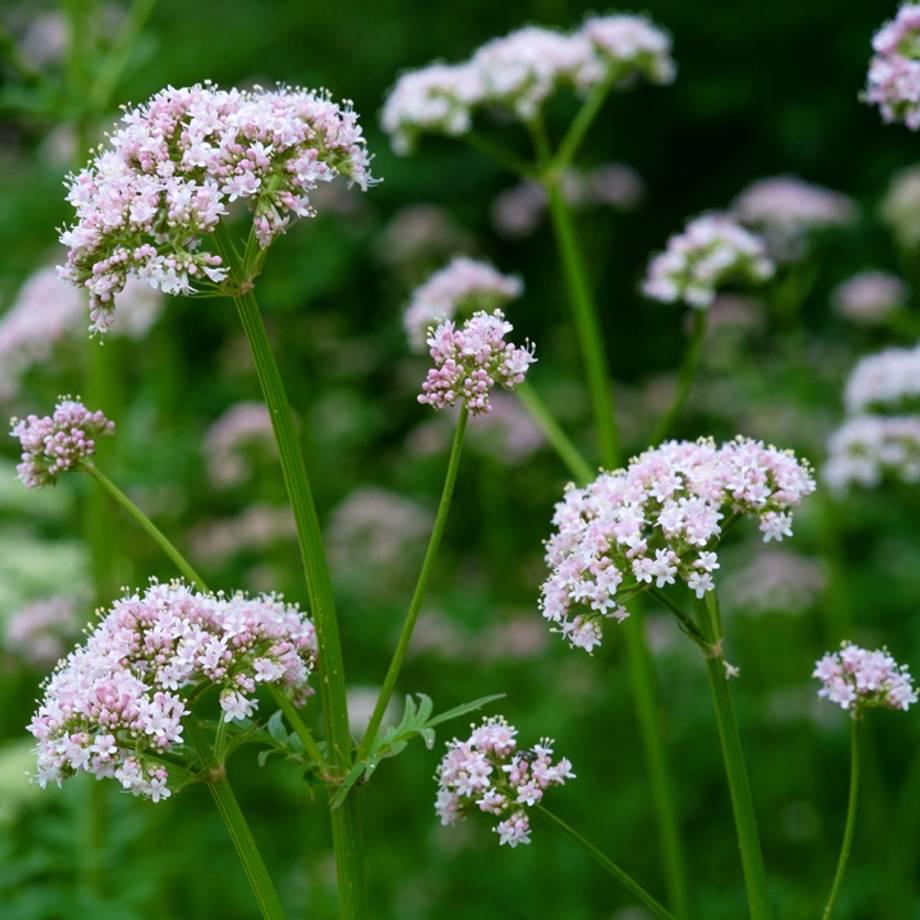
Valerian root is known for having a strong, earthy aroma, which many believe is a testament to the root’s potency. While this perennial is native to Europe and western Asia, it has become naturalized in temperate woodland ecosystems in parts of North America. The most commonly used medicinal valerian, Valeriana officinalis, stands tall at about 5-6 feet and blooms brightly with pink and white flowers. It prefers some sun and partial shade and flourishes in zone 4. Bees, butterflies, earthworms, and herbalists alike adore growing alongside this important herb. Get valerian started in your herb garden with seeds or by dividing roots to replant.
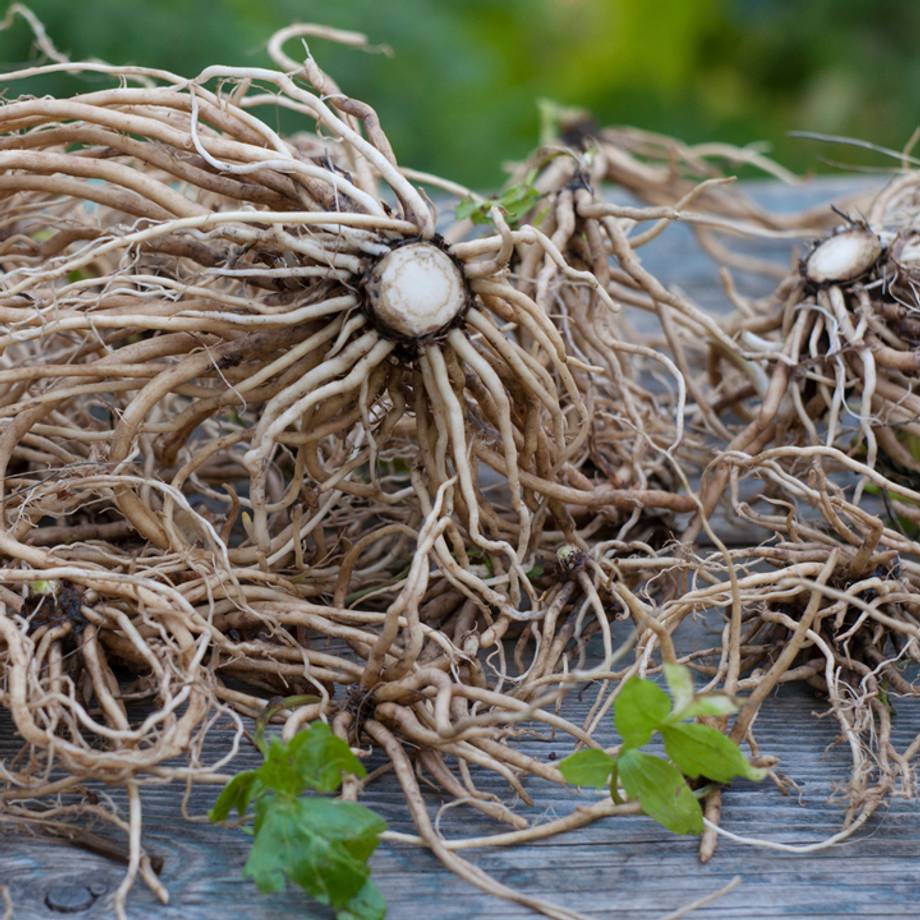
If you’re seeking to harvest the plants, have patience and enjoy their whimsical clusters of blooms until the roots reach maturation at about two to three years old. Harvest the roots in the spring or early fall and dry outdoors as their odorous fragrance is sure to permeate any indoor space.
Products that contain Valerian
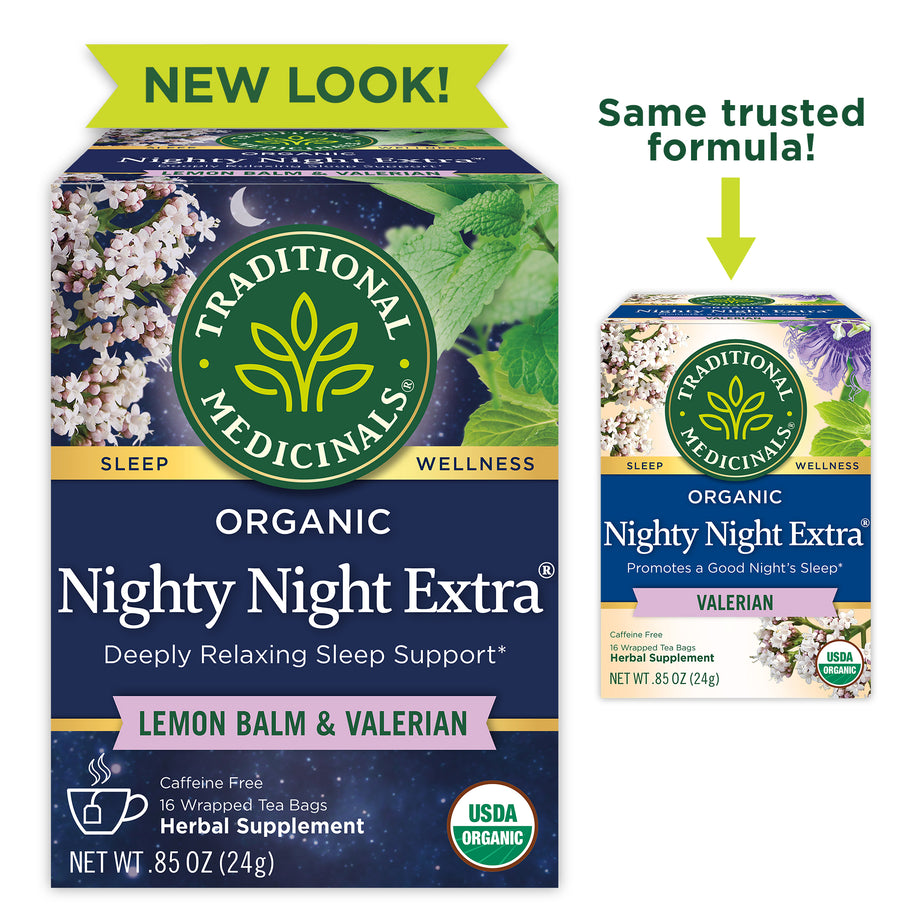
Nighty Night Extra® Tea
Additional Information
Important Precautions
Consult a healthcare practitioner prior to use if you are taking sedative medications, or if you are pregnant or breastfeeding. Consumption with alcohol is not recommended. Some people may experience drowsiness. Exercise caution if operating heavy machinery, driving a motor vehicle or involved in activities requiring mental alertness. Nausea or abdominal cramping may occur.
Legal Disclaimer
The information and other content in this article are designed to provide a general overview of the botany, cultural history, and traditional uses of this herb. It is not intended and should not be construed as health advice. Every person is unique and you should consult with your health care provider before using any herbal product or supplement.
Become an Herb Nerd & Get 10% Off!
Herbal tidbits, DIY plant projects, exclusive discounts, and recipes to follow the seasons delivered straight to your inbox.