More Skullcap info
Let skullcap help melt away tension in the body and mind.
What are the Benefits of Skullcap? When taken regularly, skullcap can help to relax the body and the mind, restoring a sense of balance. In herbalism, skullcap is known as a nervine, an herb that calms nervous tension and relieves occasional stress. It is also a trophorestorative, an herb that over time supports and restores the function of a system of the body—in this case, the nervous system.
Our herbalists suggest sipping on skullcap tea before bed, or in anticipation of your menstrual cycle; it is an incredible plant ally to help the body soften and release. Consider it a go-to when muscles are stiff and you are holding onto the day a little too tightly.
Scutellaria lateriflora appears in the first American Materia Medica, published in 1785. While species of skullcap grew wild throughout Europe prior to the colonization of the Americas, the North American species, Scutellaria lateriflora, was the first to make a significant mark on Western herbalism. European settlers and folk herbalists learned how to use skullcap from Cherokees and Native American tribes, who had traditionally consumed it as a tea to soothe the nerves, to promote women’s health and was sometimes used in ceremony. Herbal physicians then brought it back to Great Britain in the 19th century, introducing more people to its relaxing benefits.
The leaves, stems, and flowers are now widely used as herbal medicine in North America and beyond. Today, herbalists use it for many reasons, but primarily to help relieve tension, nervousness, and irritability associated with occasional stress.
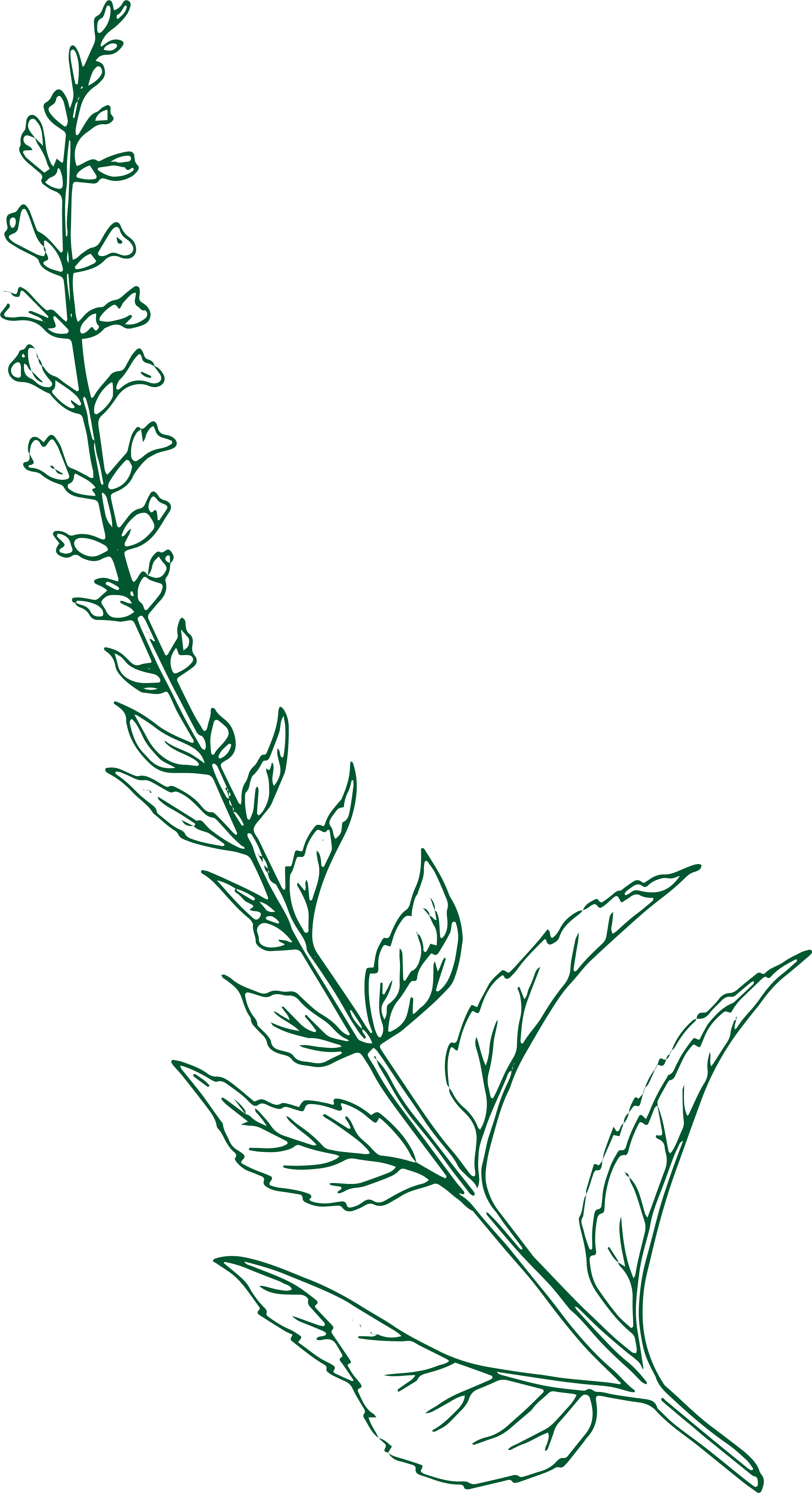
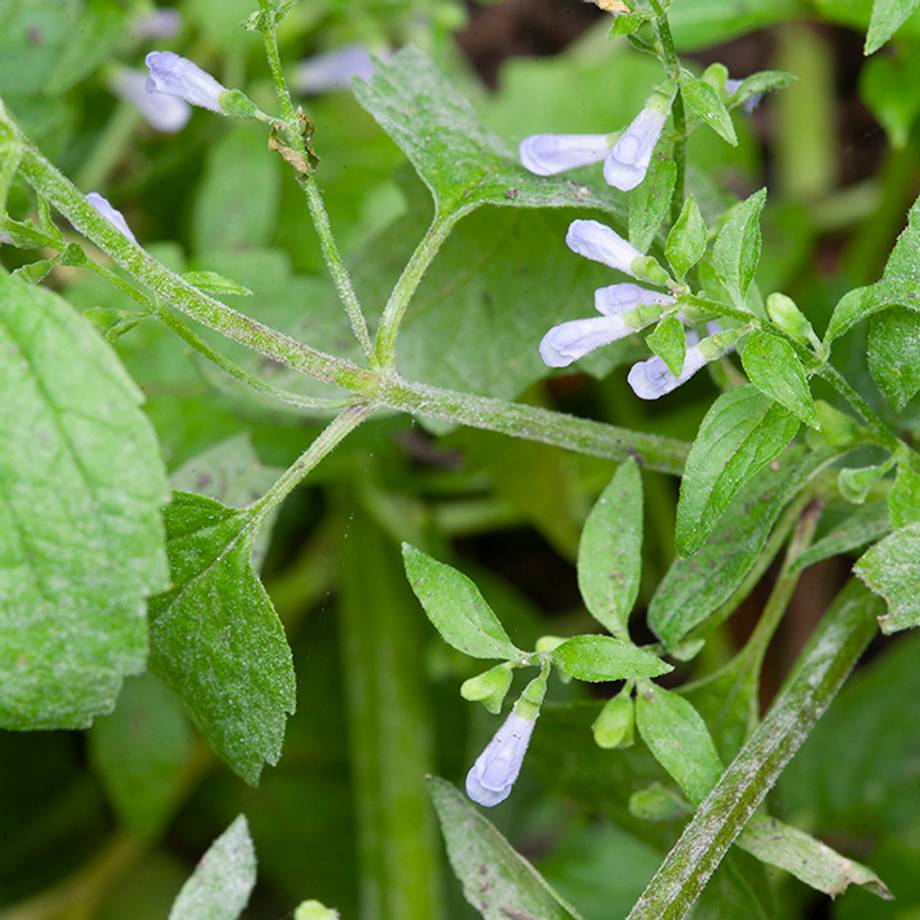
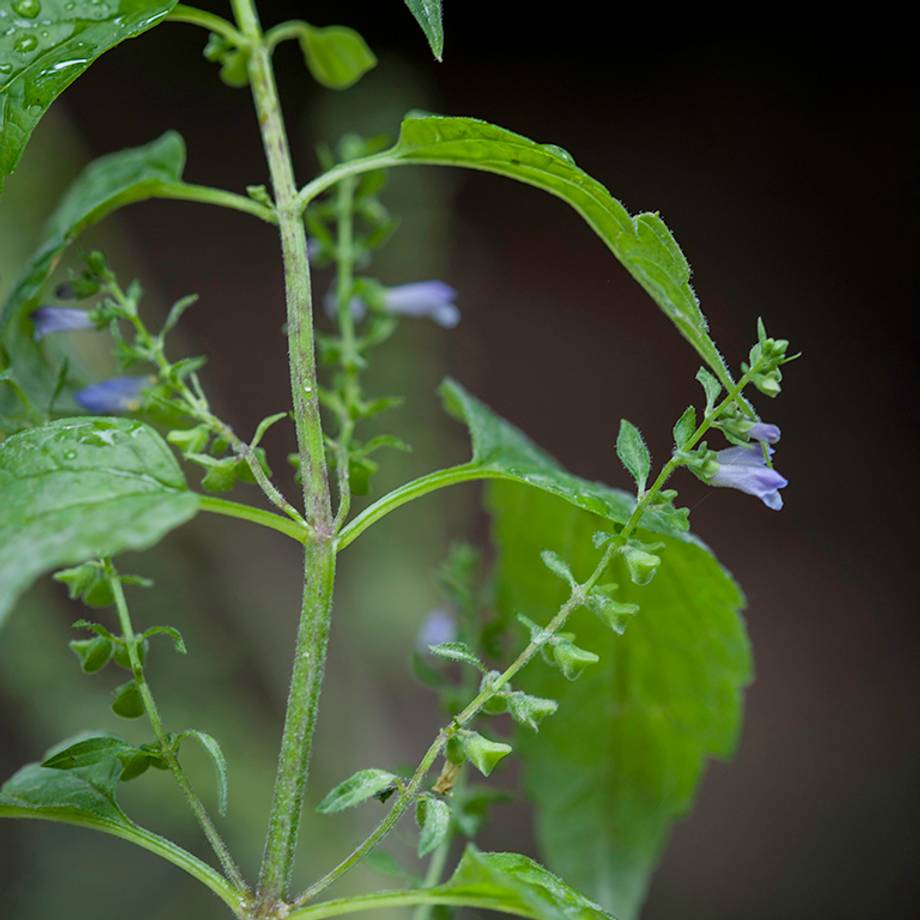
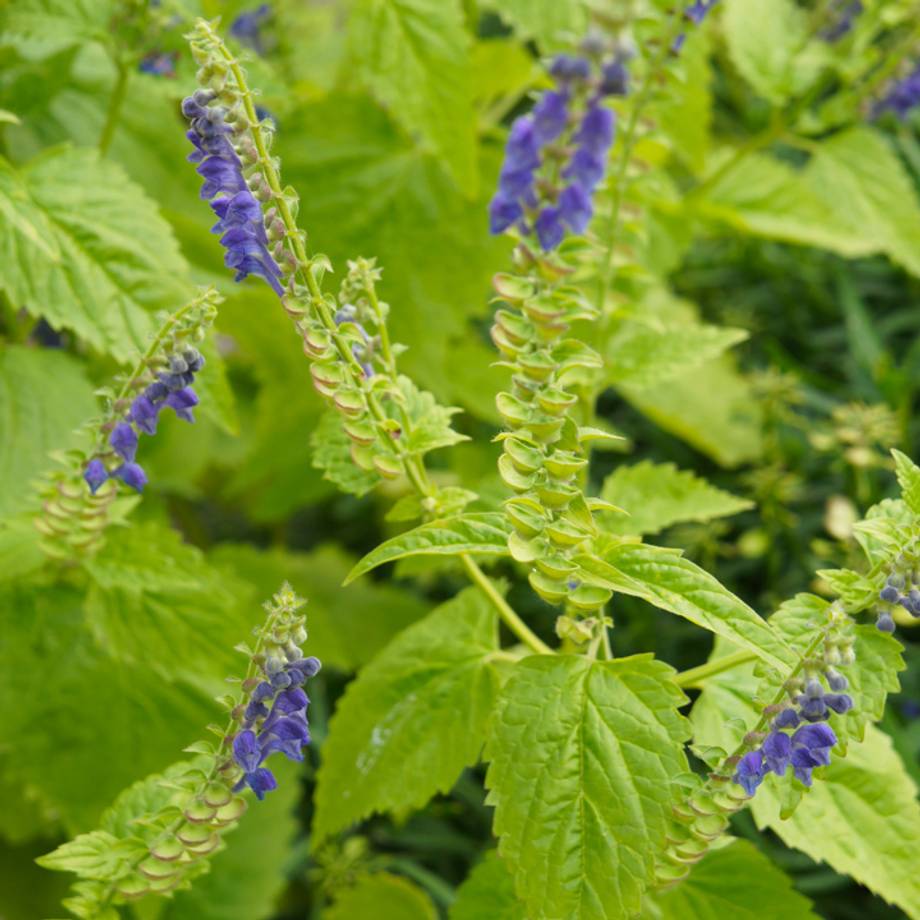
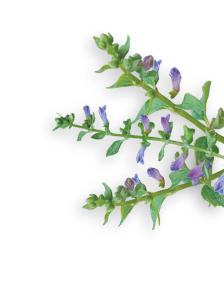
Skullcap hails from the mint family, Lamiaceae, which is easy to identify by the characteristic square stems. Scutellaria lateriflora is a perennial that thrives in moist, shady riparian habitats, from forests and thickets to meadows and marshes of its native North America. It grows up to three feet tall and is adorned with dainty blue flowers, the petals fused into a two-lipped corolla.
Together, the petals were said to resemble the helmets of medieval European soldiers, hence its common name: skullcap. Farmers and collectors harvest the plants while they are flowering—the peak of their herbal power—then cut and dry the leaves and stems to use as herbal ally.
Products that contain Skullcap
Additional Information
Important Precautions
Consult a healthcare practitioner prior to use if you are pregnant or breastfeeding, or if symptoms persist or worsen. Consumption with alcohol or sedative drugs is not recommended.
Legal Disclaimer
The information and other content in this article are designed to provide a general overview of the botany, cultural history, and traditional uses of this herb. It is not intended and should not be construed as health advice. Every person is unique and you should consult with your health care provider before using any herbal product or supplement.
Become an Herb Nerd & Get 10% Off!
Herbal tidbits, DIY plant projects, exclusive discounts, and recipes to follow the seasons delivered straight to your inbox.