More Meadowsweet info
The “Queen of the Meadow” that provides sweet comfort.
What are the Benefits of Meadowsweet? Containing tannins, meadowsweet is astringent in nature, which contributes to its ability to soothe tissue. This astringency can be useful for wet, boggy, and lax tissue throughout the body. Traditionally, meadowsweet has appeared in tea formulations supporting joint health and those directed at the tissues of the digestive and urinary tracts.
Like willow bark, meadowsweet contains salicylic acid. First isolated from the plant in Germany in 1839, this discovery solidified its importance as an herb to support joint and muscle comfort.
Meadowsweet flowers and leaves have a long history of use in Western Europe and Asia, where it has been documented in herbal preparations since the 14th century.
Contrary to our modern definition of sweet, in herbalism when an herb is characterized as “sweet” it is an indication of its aroma, not its flavor. A key feature that has been attracting pollinators as much as humans throughout time. In fact, meadowsweet flowers have been used to make mead, wine and beer, hence the names meadwort and honey-wine herb. Its umbels of lacy, cream-colored flowers are what’s earned it the nickname bridewort as its flowers commonly found their way into bridal bouquets symbolizing love, peace, and happiness. Meadowsweet tea also has a honey-sweet and slightly bitter flavor that can be enjoyed throughout the day.
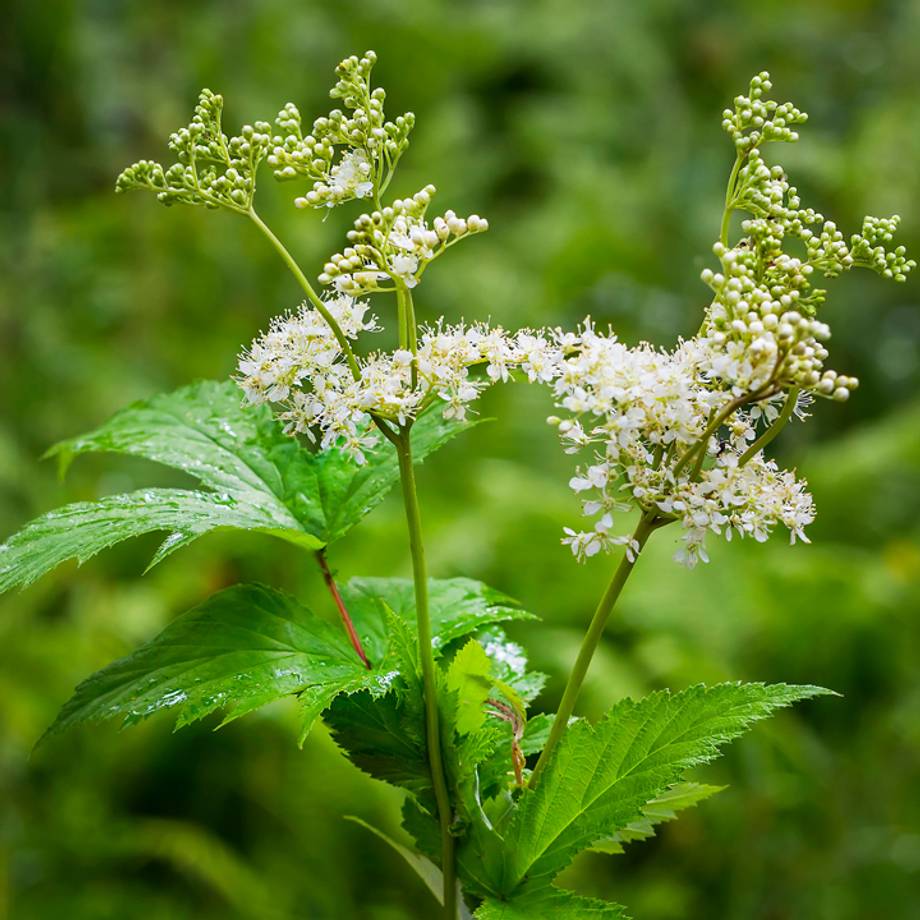
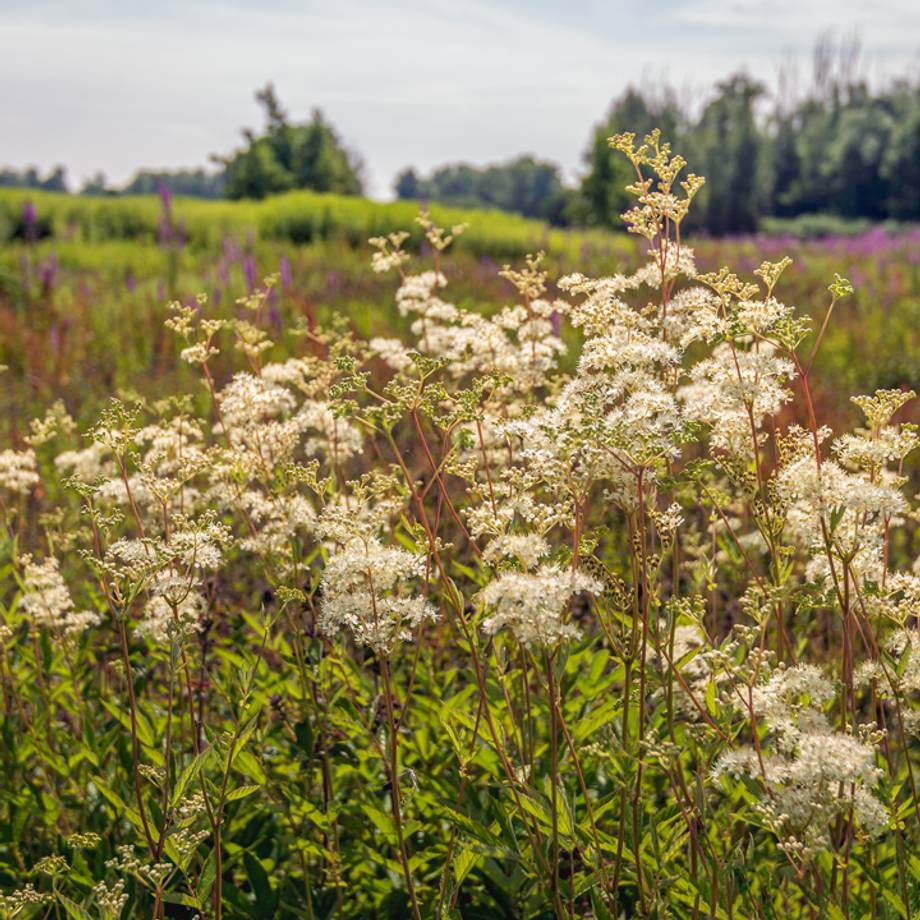
At the height of summer into early fall you will smell meadowsweet before you see it. Named for its love of a moist, sunny meadow and the sweet scent of its creamy cloud-like flower clusters, meadowsweet’s aroma is light and bright. It is also found growing along riverbanks and in pine and aspen forests. This rhizomatous perennial herb is native to Europe and Western Asia, growing from 3 to 6 feet in height.
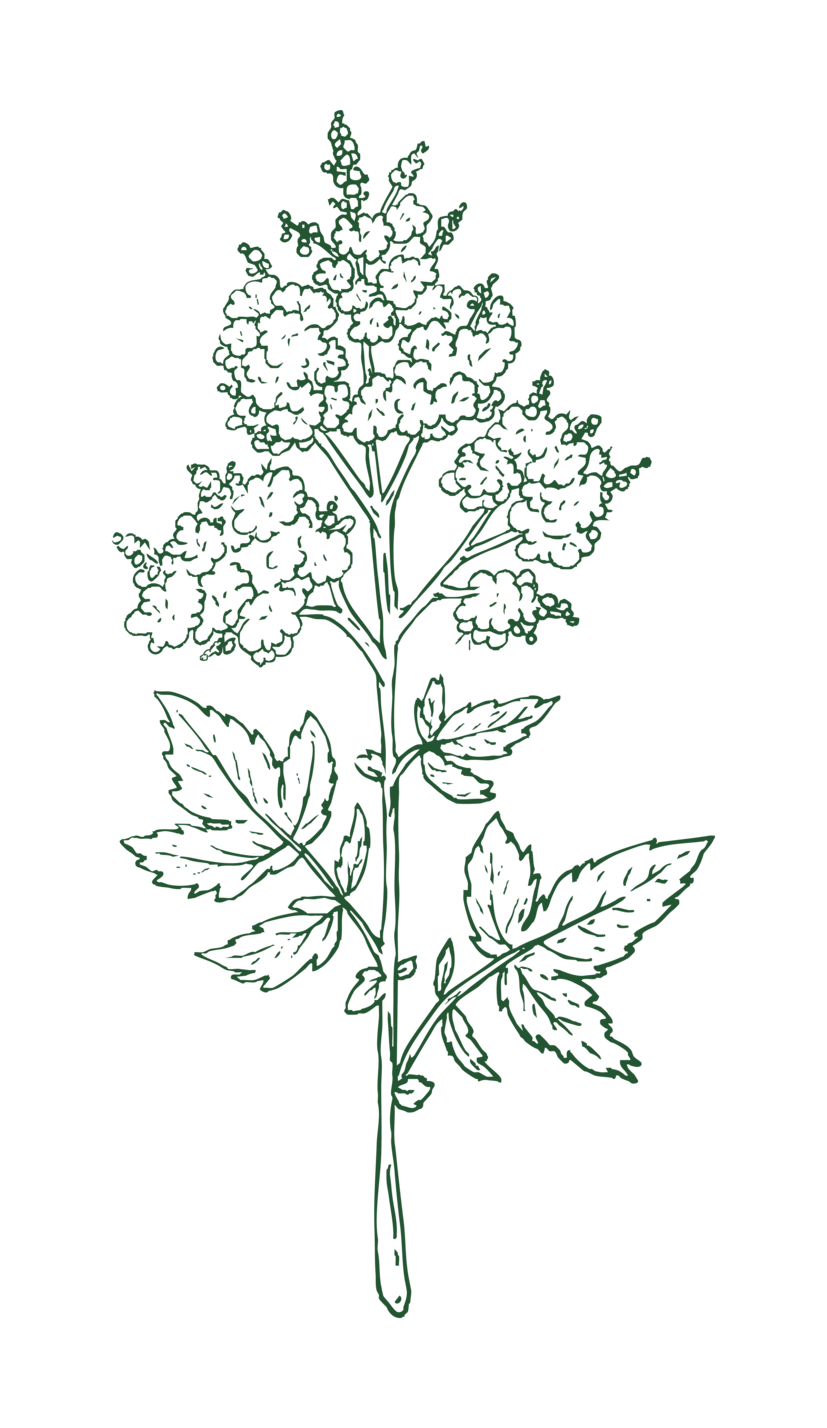
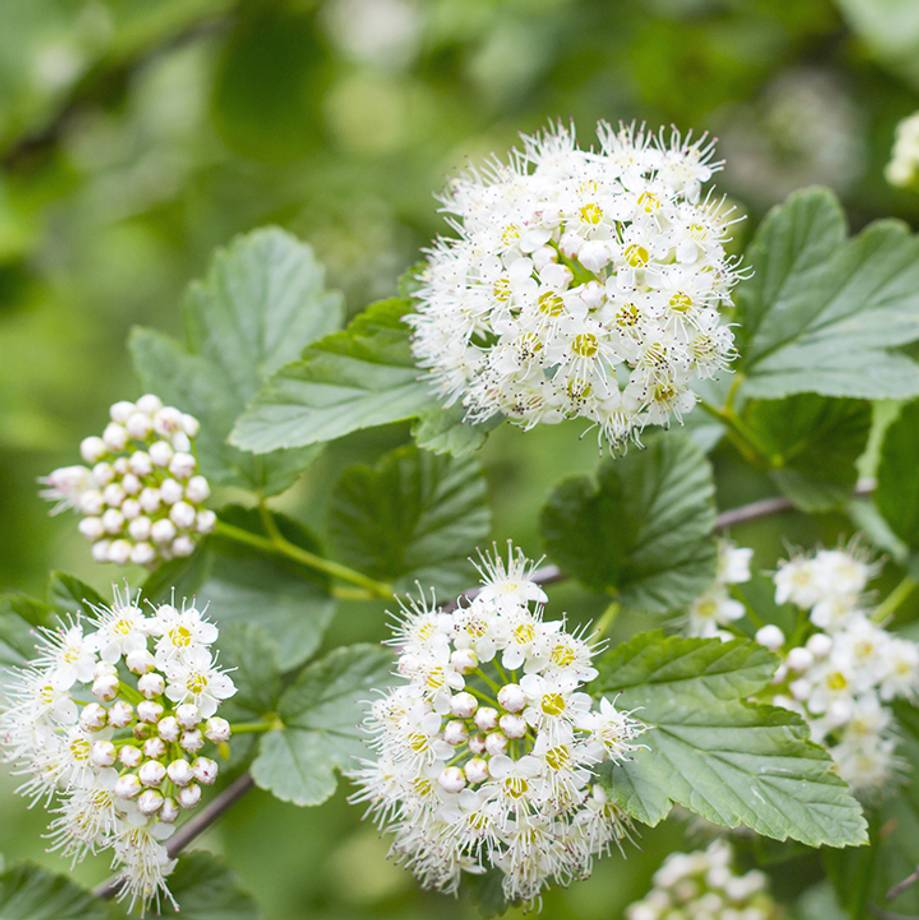
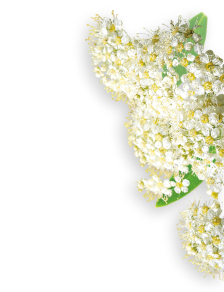
Meadowsweet is in the rose family, Rosaceae, but it does not look very similar to a garden rose. Meadowsweet’s dark green leaves have serrated edges, with 3 to 5 lanceolate lobes or leaflets, and a lighter colored, hairy underside. A common feature of the Rosacea family is 5-petaled flowers, but you will have to bury yourself among meadowsweet’s fluffy inflorescence to see them as each individual flower is quite small.
Products that contain Meadowsweet
Turmeric & Ginger with Meadowsweet Tea
Additional Information
Important Precautions
Consult a healthcare practitioner prior to use if you are allergic to aspirin or salicylates, or if you are pregnant or breastfeeding.
Legal Disclaimer
The information and other content in this article are designed to provide a general overview of the botany, cultural history, and traditional uses of this herb. It is not intended and should not be construed as health advice. Every person is unique and you should consult with your health care provider before using any herbal product or supplement.
Become an Herb Nerd & Get 10% Off!
Herbal tidbits, DIY plant projects, exclusive discounts, and recipes to follow the seasons delivered straight to your inbox.