More Hawthorn info
A thorny berry with a soft spot for the heart.
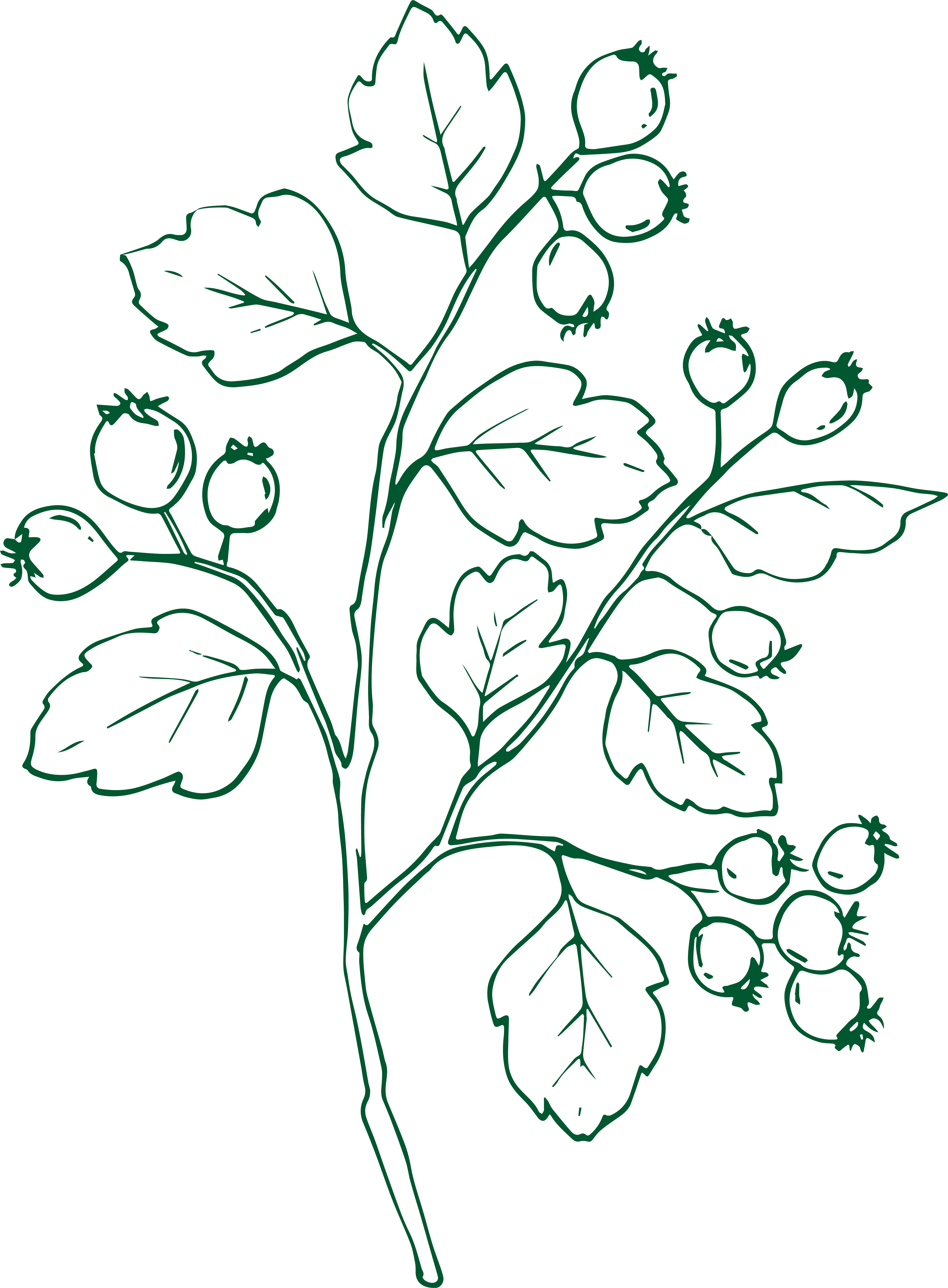
What are the Benefits of Hawthorn? Hawthorn notably contains flavonoids, among them quercetin. As herbalists, we use hawthorn leaves and flowers in our formulas to support heart health and overall circulation. As such, this plant is ideal for those with an active lifestyle and those wishing to give their heart a little extra love.
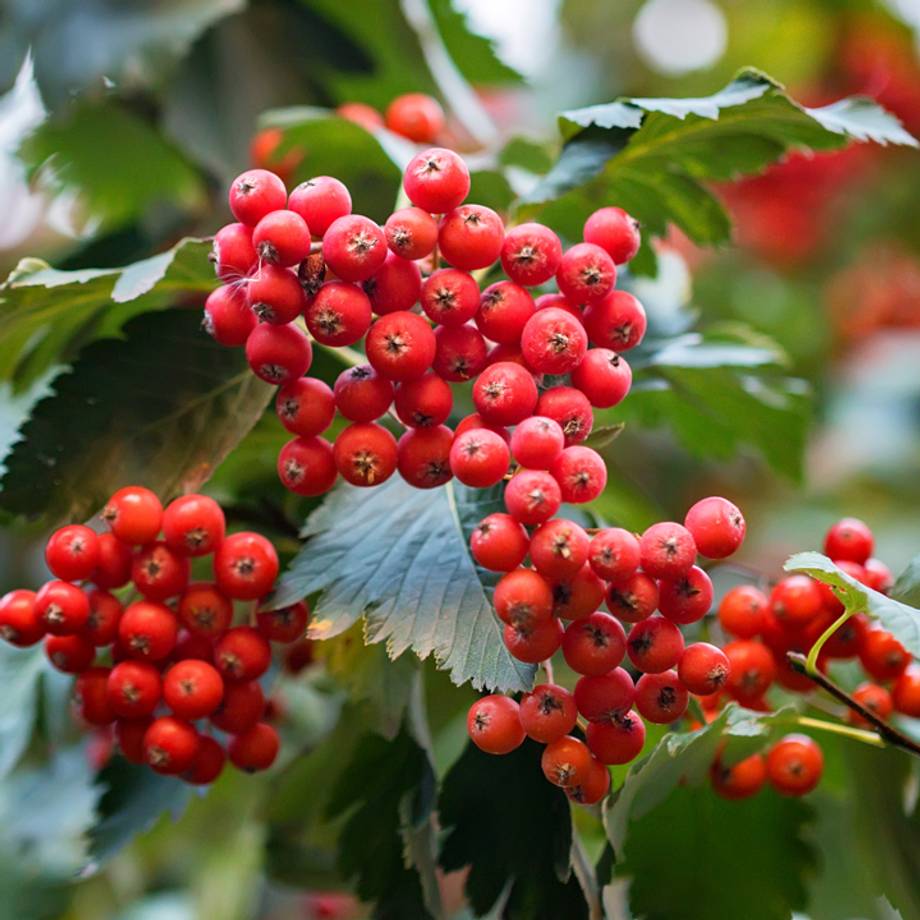
Different parts of the plant are used in herbal medicine, including leaves, flowers, and berry-like fruits. We like to use the leaves and fruits in our teas to get the benefits of the whole plant. Because of the juicy and tart taste of the fruits, they’re a great candidate for herbal foods. There are many traditional culinary preparations, including wine, jam, syrups, and vinegars.
The genus name, Crataegus, is said to come from the Greek word krataios, which roughly translates to “hard, strong, and has always been there.” Some say it was the plant behind the crown of thorns placed upon the head of Jesus. Folklore aside, it’s unarguably been used for thousands of years and around the globe as an herb to support heart health, accross many different herbal traditions.
Hawthorn’s medicinal properties were first documented by Dioscorides in the 1st century A.D. Other Greek doctors, including Pliny and Galen also recorded its benefits. Around 659 A.D. Tang-Ben-Cao recorded the use of a Chinese hawthorn, which in modern-day times is used in Eastern Medicine to support digestion and heart health. Beyond these benefits, hawthorn has also played a role in herbal folklore to ward off evil spirits. To shield newborn babies from harm, the Romans would hang hawthorn sprigs over cradles. In ancient times, hawthorn flowers were strung into garlands for use in May Day celebrations. Early Christians hung it over doorways for protection during the Middle Ages.
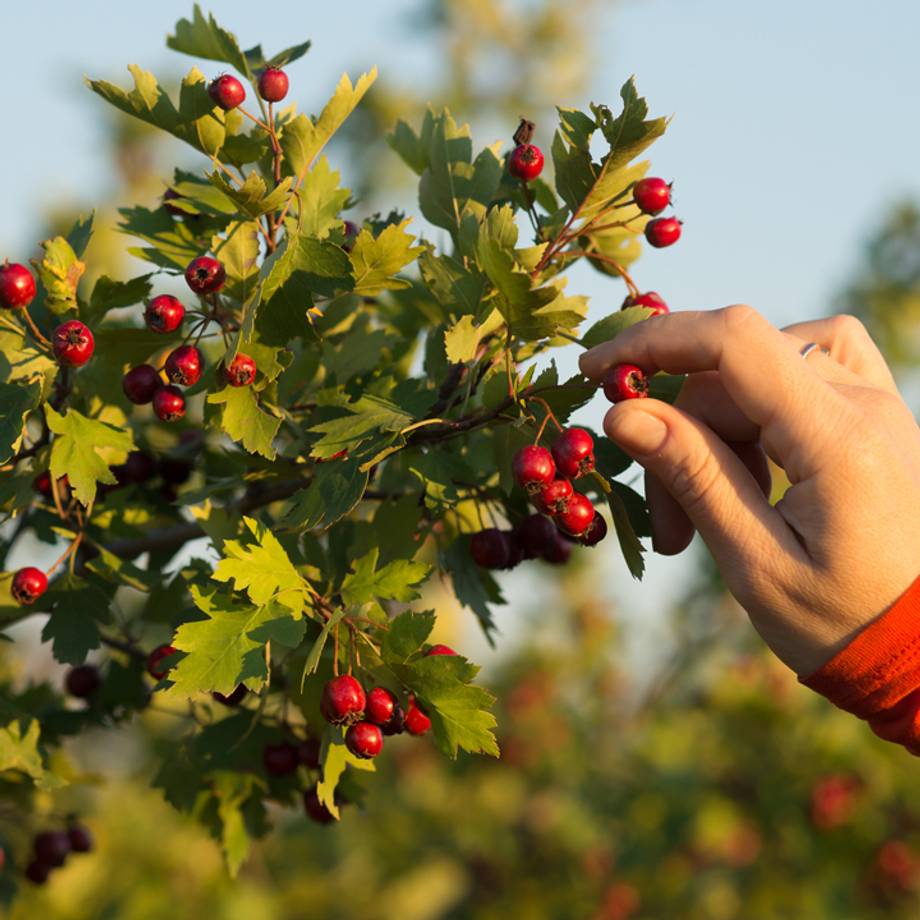
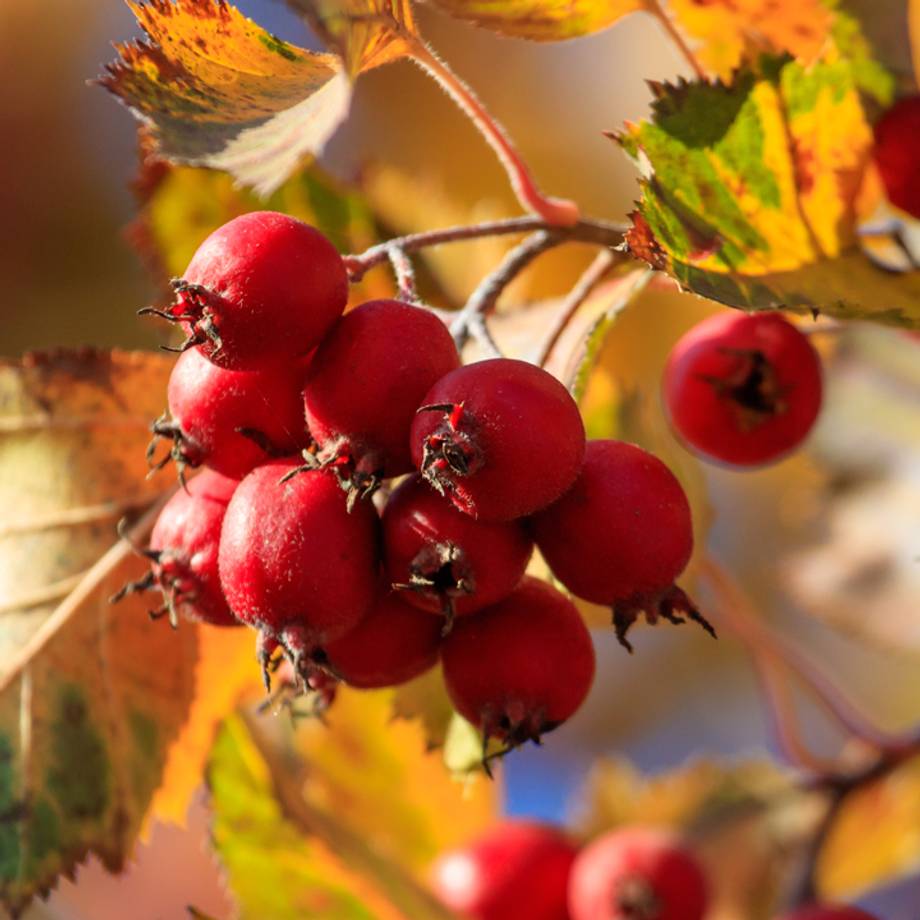
Native to all continents of the Northern Hemisphere, hawthorn often gathers into thick hedgerows and is often used as a living fence and for its strength to enclose pastures and meadows. It’s a shrub that grows best with lots of sun and well-drained soil. Hawthorn thrives across North America, generally in more temperate climates. Its pink and white flowers come in spring which make way for its scarlet red fruits in the late summer.
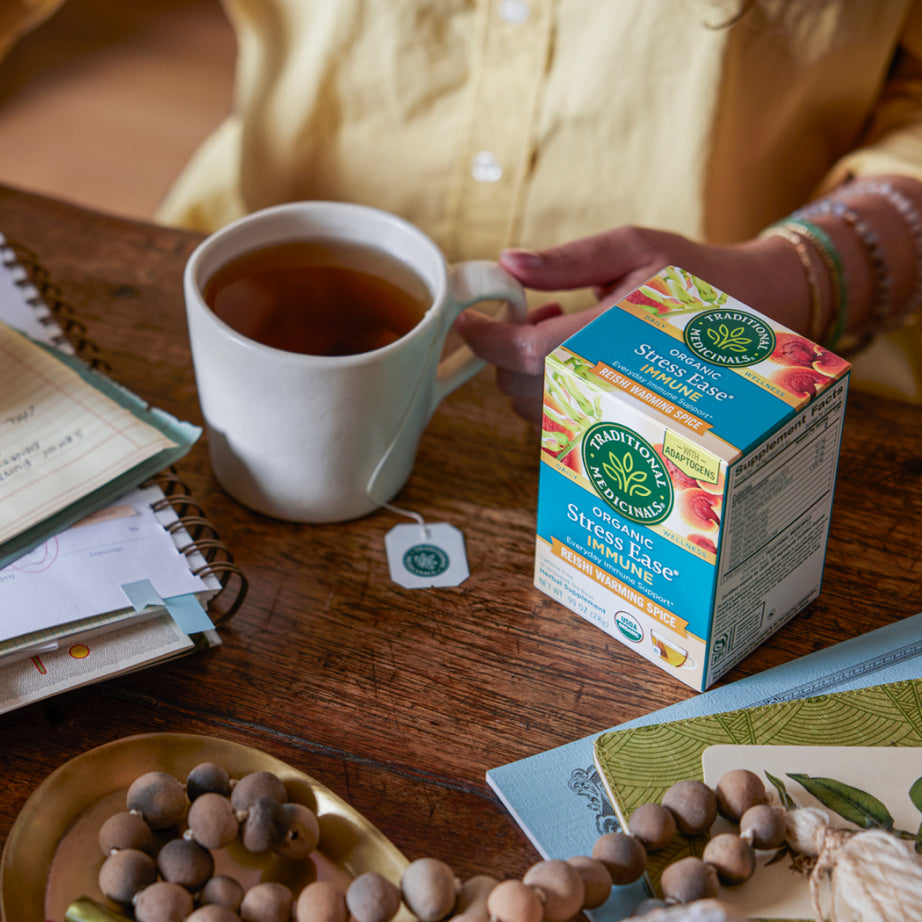
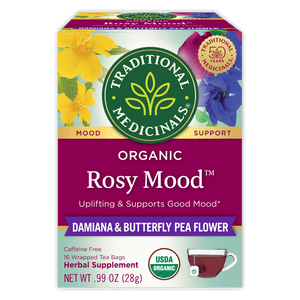
Products that contain Hawthorn
Additional Information
Important Precautions
Consult your healthcare practitioner prior to use if you have a serious heart condition; if you are taking cardiac glycosides such as digitalis/digoxin or blood pressure medication, or if you are pregnant or breastfeeding.
Legal Disclaimer
The information and other content in this article are designed to provide a general overview of the botany, cultural history, and traditional uses of this herb. It is not intended and should not be construed as health advice. Every person is unique and you should consult with your health care provider before using any herbal product or supplement.
Become an Herb Nerd & Get 10% Off!
Herbal tidbits, DIY plant projects, exclusive discounts, and recipes to follow the seasons delivered straight to your inbox.