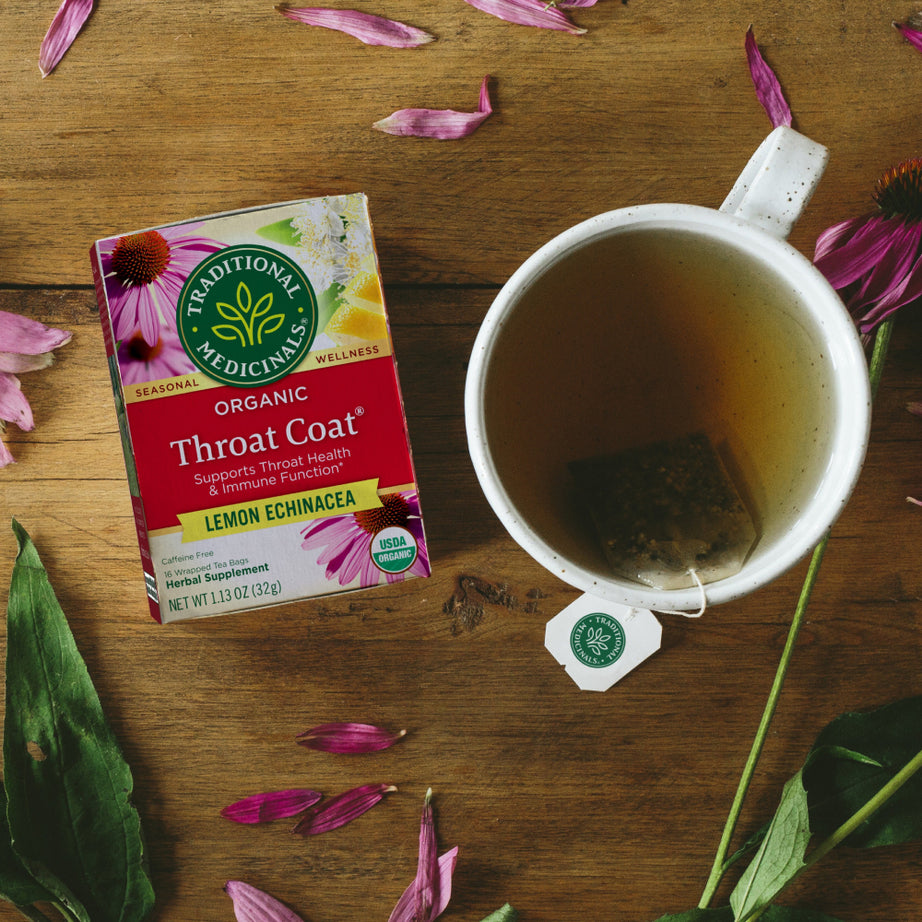
More Wild Cherry info
Wild cherry bark is a soothing herbal companion for throat health.
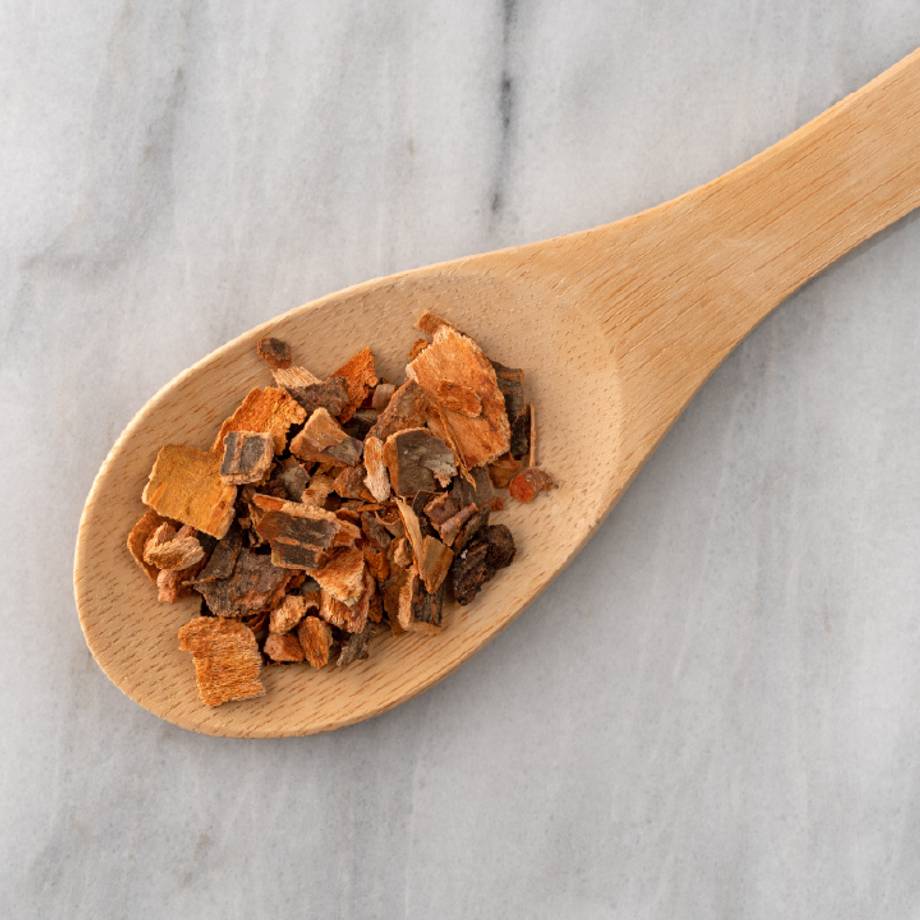
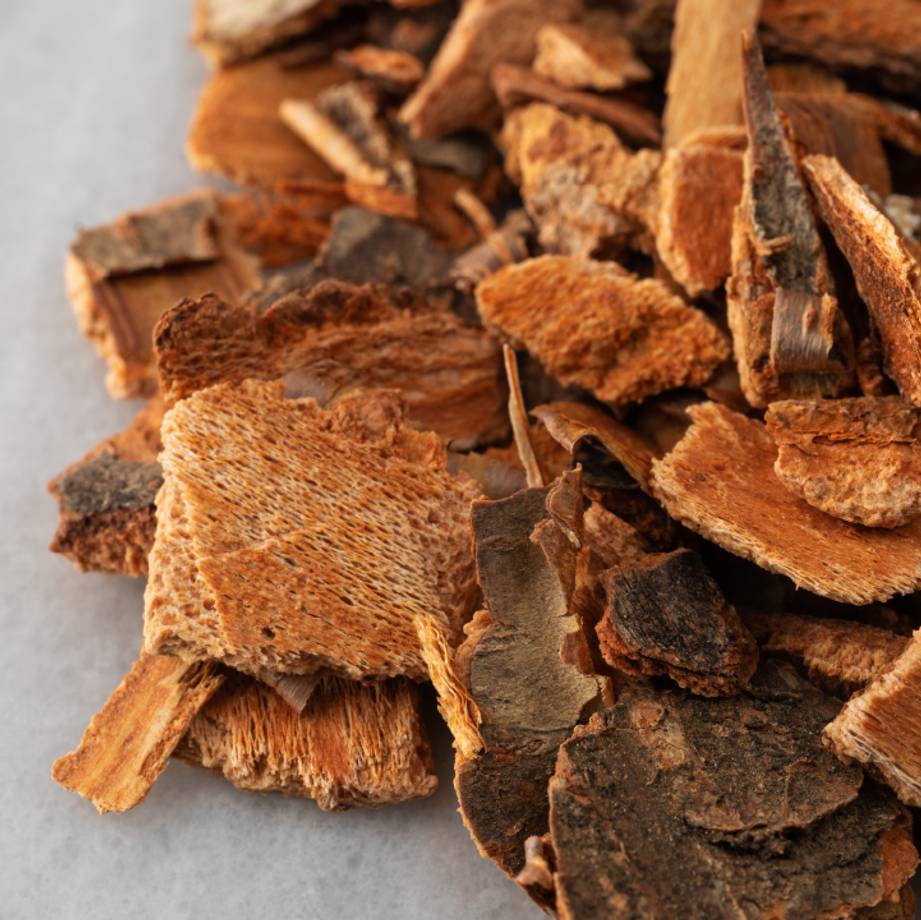
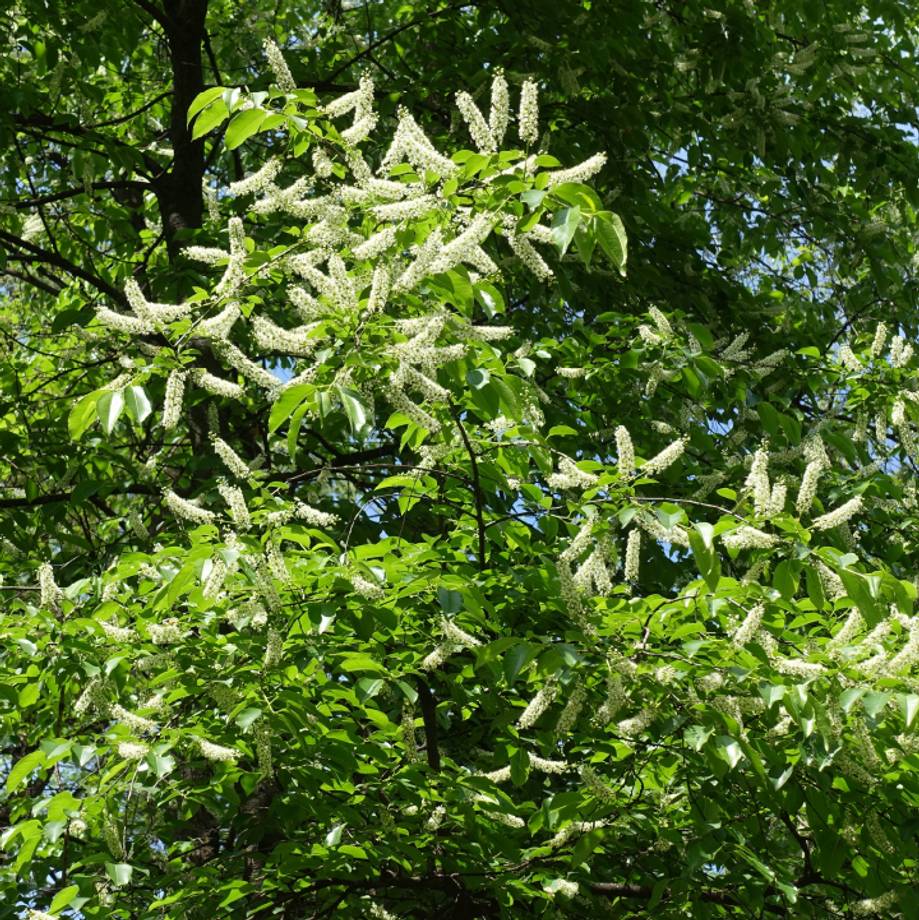
What are the Benefits of Wild Cherry? Wild cherry bark, also known as black cherry, is a tree species that is native to North America. It has been used for centuries as a traditional herbal remedy. Wild cherry bark is found in many formats from herbal syrups and lozenges to teas and tinctures.
Wild cherry bark promotes respiratory and throat health, supporting easy breathing. It’s also a mild nervine, which may help support restful sleep.
Wild cherry is very important amongst Indigenous communities. The Iroquois believe that wild cherry trees are inhabited by powerful spirits and use the bark in spiritual ceremonies and rituals. According to “The Iroquois Book of Rites” by Horatio Hale, the Iroquois consider the tree a symbol of strength and power and believe the bark helps to ward off evil spirits.
This bark is also incorporated into decorative objects and clothing. The Cherokee use the bark to create a red dye for baskets and other woven items. The Ojibwe also use the bark to decorate clothing, weaving it into intricate patterns..
This tree can reach heights of up to 100 feet and is most commonly found in the eastern United States. It grows best in well-drained soil and prefers full sun, but it can also tolerate partial shade. It requires moderate water and does well in a wide range of climates, including cold winters and hot summers.
It’s best to harvest the bark in early spring, just before flowers begin to bud. It’s important to source from suppliers who know how to cut the trunk and properly peel the outer bark, and to only take in small amounts to avoid damaging or killing the tree. We source only from sustainable sources who steward the land and obtain proper permits and permissions or grow their own wild cherry trees.
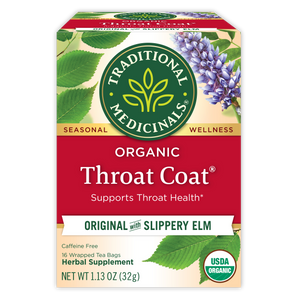
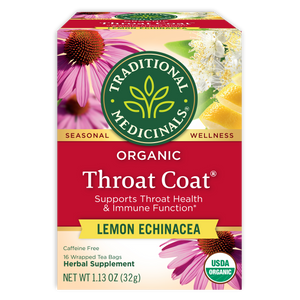
Products that contain Wild Cherry
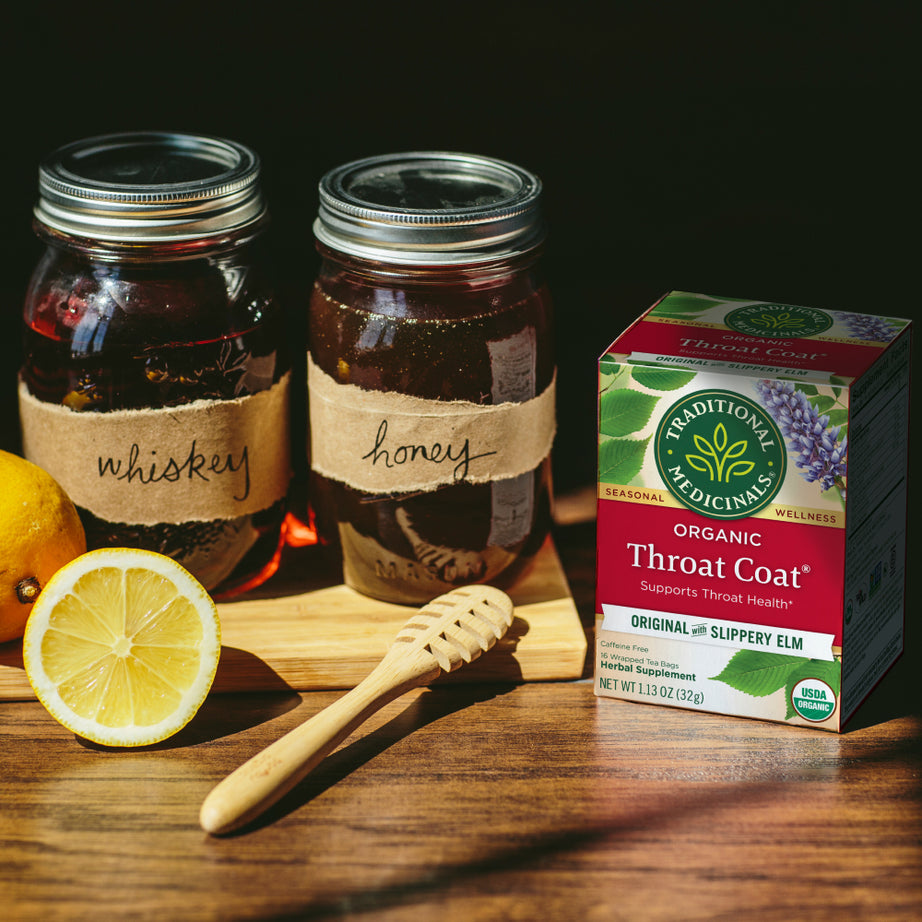
Throat Coat® Lemon Echinacea Tea
Additional Information
Important Precautions
Consult a healthcare practitioner prior to use if you are pregnant or breastfeeding.
Legal Disclaimer
The information and other content in this article are designed to provide a general overview of the botany, cultural history, and traditional uses of this herb. It is not intended and should not be construed as health advice. Every person is unique and you should consult with your health care provider before using any herbal product or supplement.
Become an Herb Nerd & Get 10% Off!
Herbal tidbits, DIY plant projects, exclusive discounts, and recipes to follow the seasons delivered straight to your inbox.