More Wild Apple info
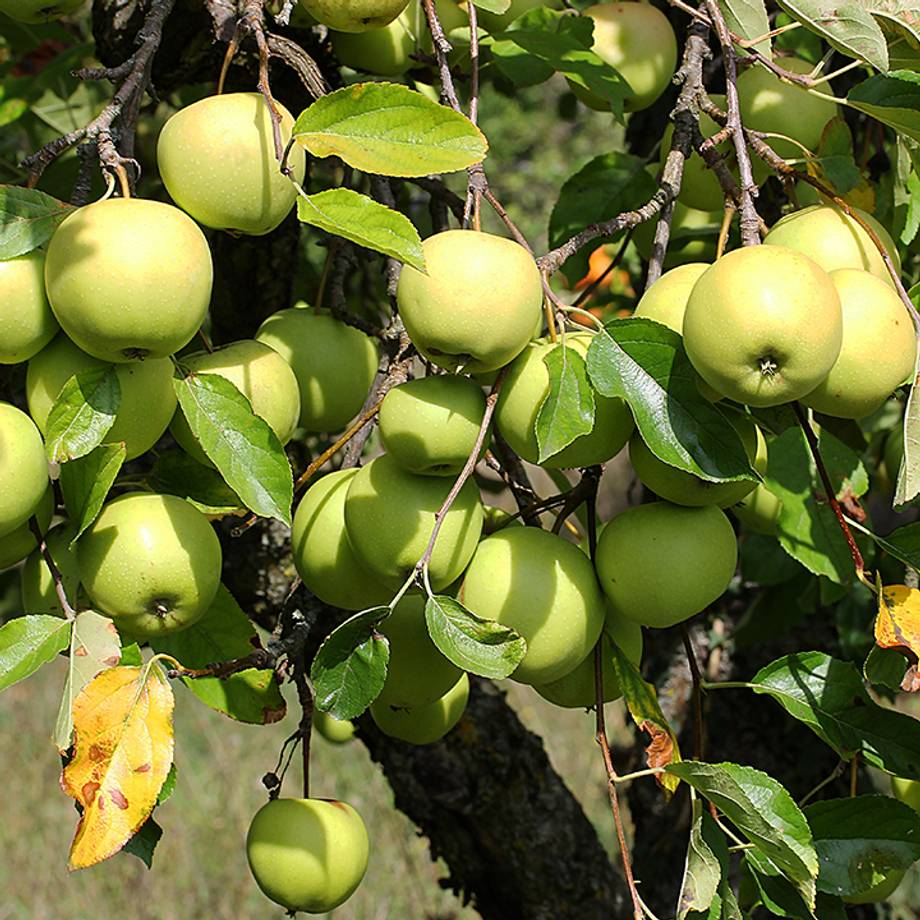
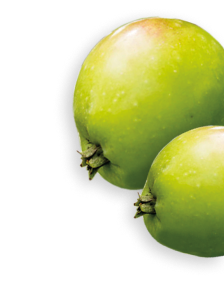
Wild apples, sometimes called crab apples, are called “maíllas” in Spanish and are often used to make ciders and liqueurs.
What are the Benefits of Wild Apple? Malus sylvestris and Malus orientalis are indigenous wild apple species, native to Europe and western Central Asia. Wild apples have been used since ancient times, primarily for their tart, refreshing taste in culinary applications and also for their herbal medicine. Containing antioxidants and fiber, this plant is used as a traditional staple food in regions where it is native.
While you mostly see apple foods, the wild apple fruits can be decocted and sipped as tea, perhaps mixed with ginger or clove. In present-day commerce, wild apples are extracted as a source of antioxidants to support the skin and oral health.
Tart, wild apples have a unique taste and rich history in traditional foods. They’re used across Europe to make tea, cider, vinegar, preserves, and baked goods. You can also find them fermented or infused into alcoholic beverages, like cider and liqueurs, by macerating the apples in liquor for several months.
We cannot pinpoint a specific valley where apples first appeared, as they likely originated in multiple regions from China to central Asia, hybridizing along the way. But the hills and valleys of central Asia, between the Black Sea and the Caspian sea, may be one of the oldest sites where apples have been growing wild. This area also served as a major trade nexus for herbs, roots, spices, silks, and other goods transported by horse-drawn caravans along the Silk Road. Here, wild apples served as an important forage crop, and their seeds spread far and wide across Asia and Europe as a result.
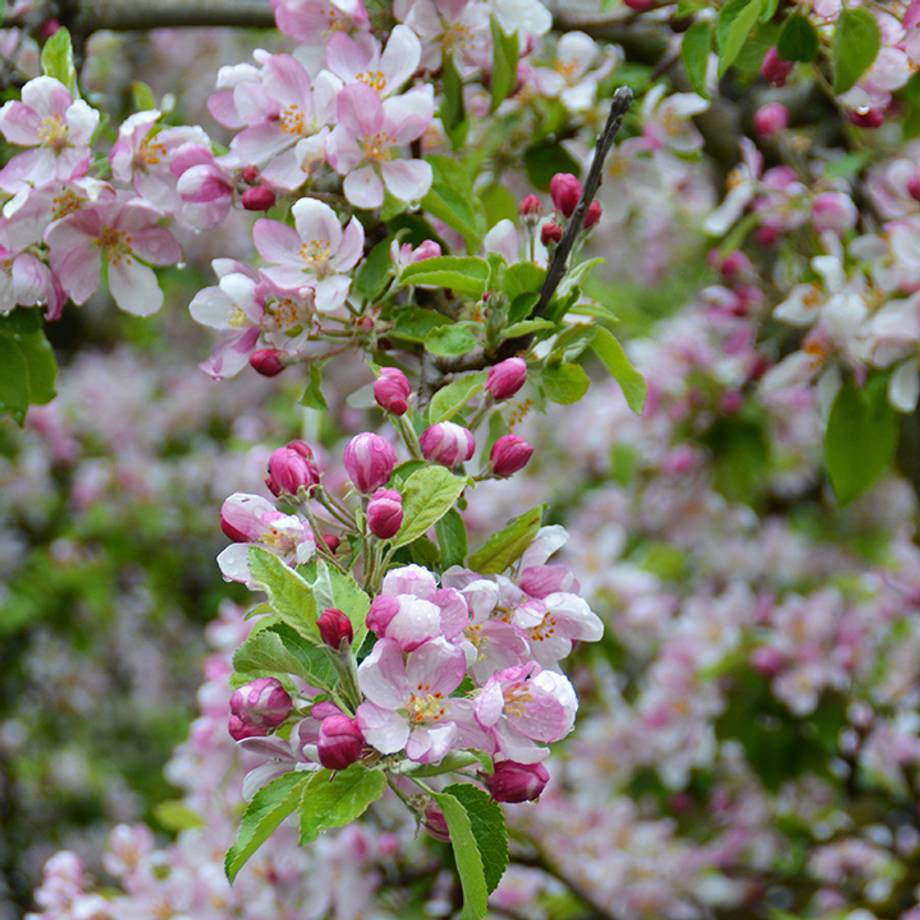
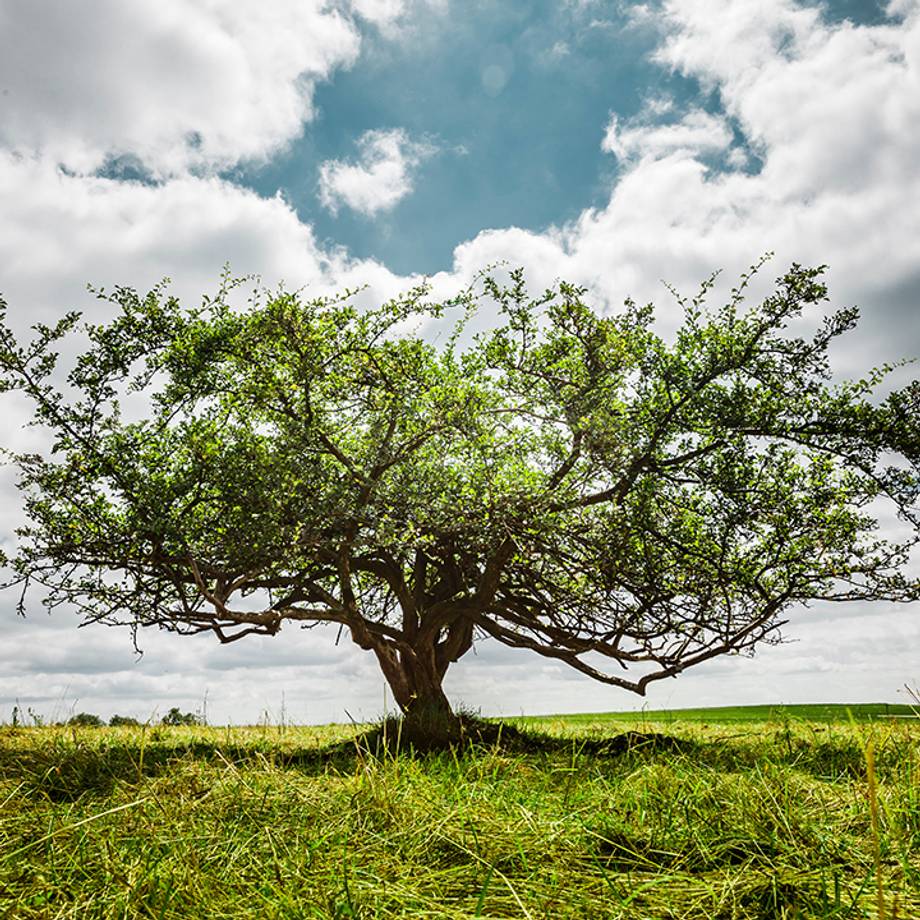
The wild apple belongs to the Rosaceae family, a large family of flowering plants that also includes roses. It’s a deciduous tree that can grow up to 46 feet tall and live for 80-100 years. It grows widely throughout Europe, from South Scandinavia to the Iberian Peninsula, and Eastern Europe, in addition to Central and Western Asia.
Wild apples thrive in woods, scrub, and hedges and favor sparse forests or forest edges due to their light requirements. Despite its adaptability, it remains a rare species and is sometimes considered endangered, as its distribution pattern is generally as a single plant or in small groups. It’s primarily dispersed through mammals, which eat the fruit and disperse the seeds, and with a lack of suitable habitats, it has become more challenging for the plant to regenerate and thrive. With the environment and sustainability in mind, we selectively source our wild apple from FairWild® and organic certified sources.
Products that contain Wild Apple

Additional Information
Important Precautions
Consult a healthcare practitioner prior to use if you are pregnant or breastfeeding.
Legal Disclaimer
The information and other content in this article are designed to provide a general overview of the botany, cultural history, and traditional uses of this herb. It is not intended and should not be construed as health advice. Every person is unique and you should consult with your health care provider before using any herbal product or supplement.
Become an Herb Nerd & Get 10% Off!
Herbal tidbits, DIY plant projects, exclusive discounts, and recipes to follow the seasons delivered straight to your inbox.