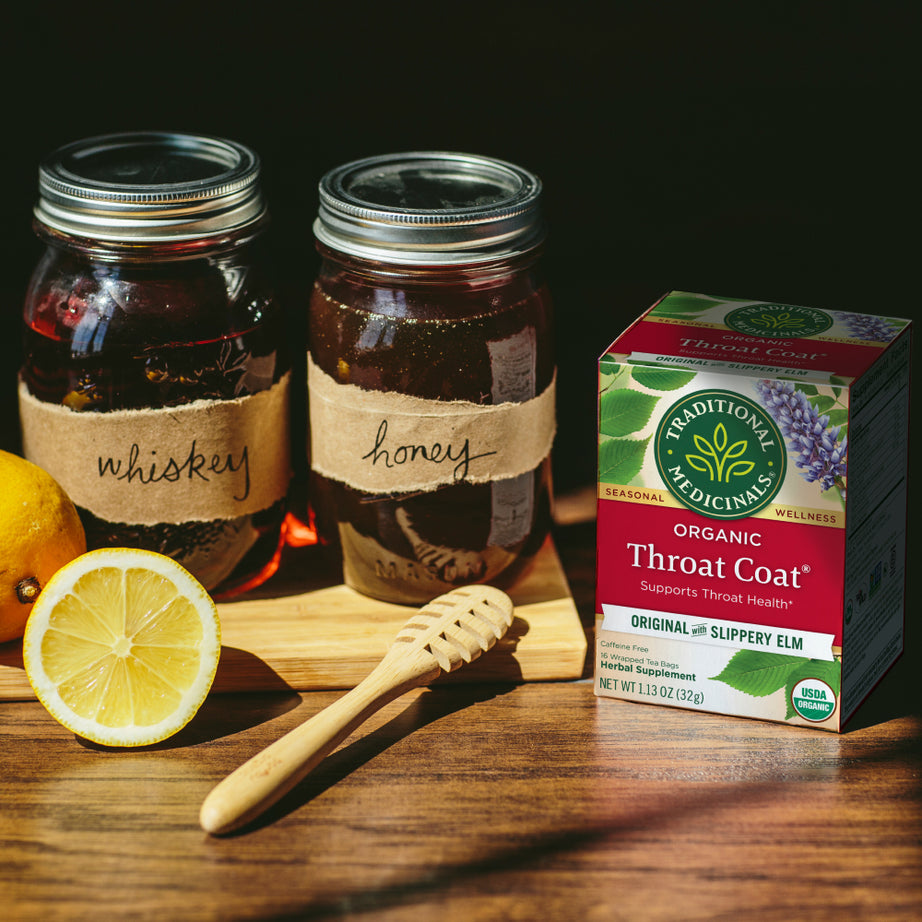
More Slippery Elm info
This soothing, silky bark is known as every singer’s best friend.
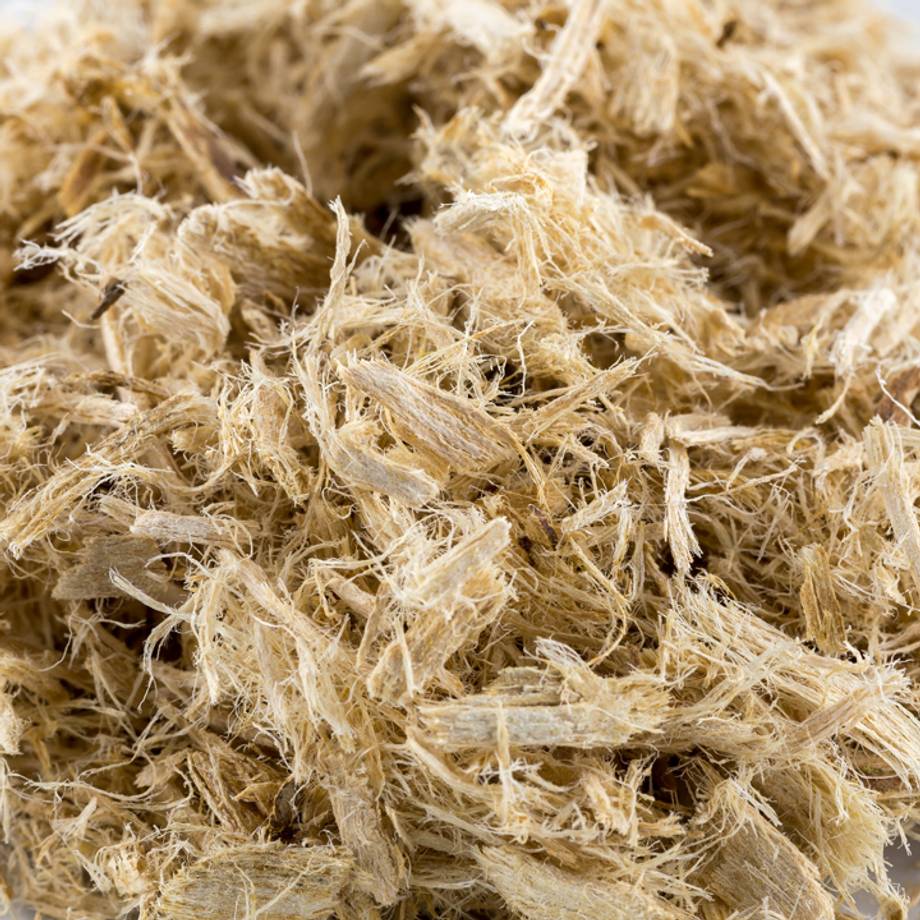
What are the Benefits of Slippery Elm? Therapeutic uses of elm have been documented for thousands of years, and slippery elm (Ulmus rubra) is indigenous to North America. The inner bark of this tree is used to create a slippery—almost slimy—tea to ease tissues throughout the GI tract.
This inner bark contains mucilage; this complex carbohydrate is hydrophilic and known for its ability to trap water. Mucilage is the reason that when the inner bark of slippery elm is powdered and combined with water, it doubles its volume and creates a thick, gel-like substance. Flavonoids present in the bark also make this herb slightly astringent and capable of toning, tightening, and restoring tissues.
The name elm or ulm derives from Teutonic (Germanic) and nearly all Celtic dialectics. In Teutonic mythology, the tree formed the very first woman, named Elma, while the ash tree formed the first man, Aske. In the United States, Ulmus was first named botanically by a colonial plant collector and Scottish botanist named William Aiton.
However, this specific elm was (and still is) used and well-loved by First Nations People in North America long before the United States ever existed. Depending on the tribal nation, the inner bark was used in many different ways. For instance, a decoction was traditionally drunk for digestive support by the Menominee who live near the state now called Wisconsin. They also used the plant topically to cleanse the skin. Other tribal nations consumed slippery elm tea during the last two months of pregnancy to support labor.
American herbalists of European descent primarily used this plant as a nutritive tonic and demulcent. The American Eclectics, for instance, commonly recommended this drink to soothe dry tissues in the lining of the stomach and GI tract. When food was scarce, early American settlers mixed slippery elm with meal to create a bread-like food. In more recent history, slippery elm became more widely known through the popularization of commercially-available lozenges in the 19th Century.
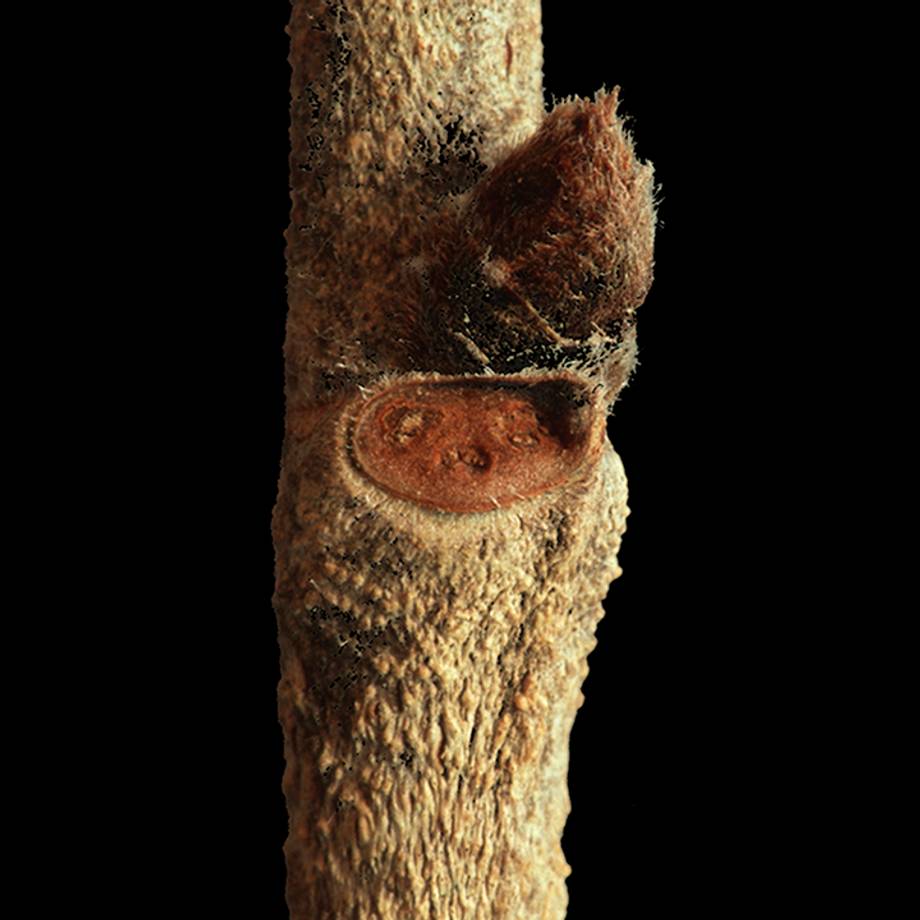
Slippery elm’s native habitat is the eastern United States and Canada, from southern Quebec to Florida. It’s a medium-sized tree that generally grows to about 60-70 feet tall and thrives in moist uplands but can sometimes be found in dry limestone soils. This elm is also a very shade tolerant understory tree and can be found growing in floodplains and rocky slopes. Some healthy trees can live to be as old as 200 years.
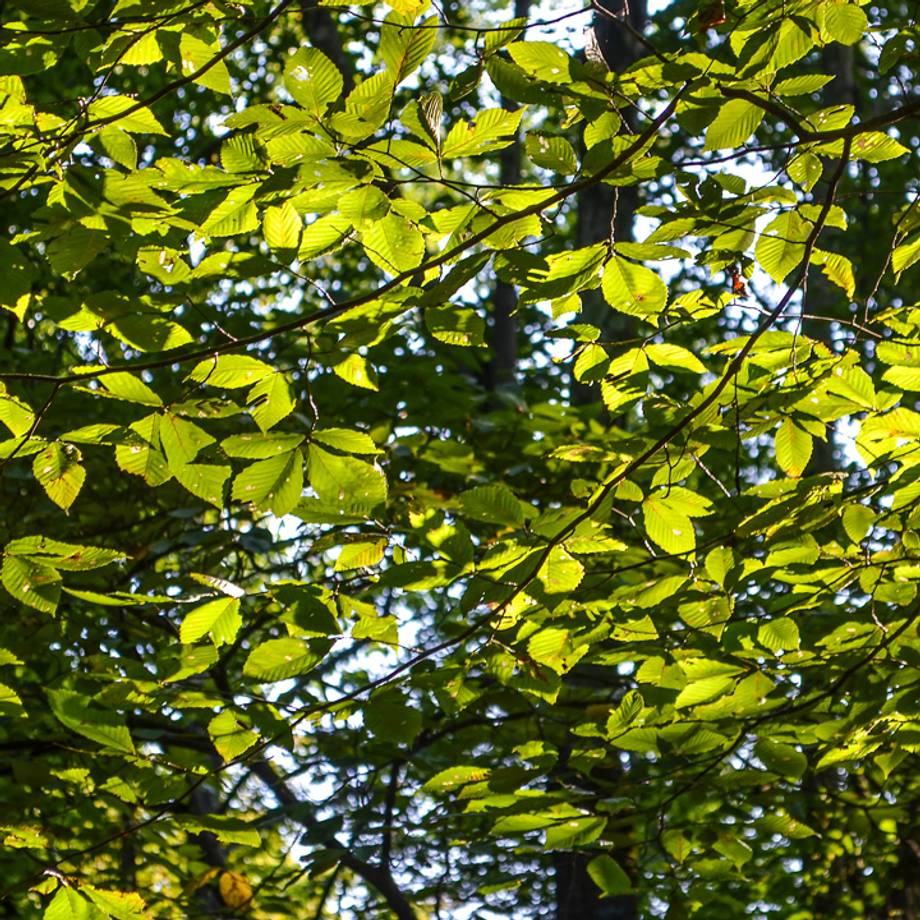
In the wild you may be able to identify this plant by its leaves. The leaves are wide, large, and broadly elliptical to ovate. They are sandpaper-like on both sizes and often very green. When the inner bark is harvested sustainably, the tree can easily live on. Traditional wild collectors steward the lands and do not cut down the trees, they simply leave a vertical strip of bark—a foot or wider—so that the tree can thrive and be harvested again in future years.
Products that contain Slippery Elm

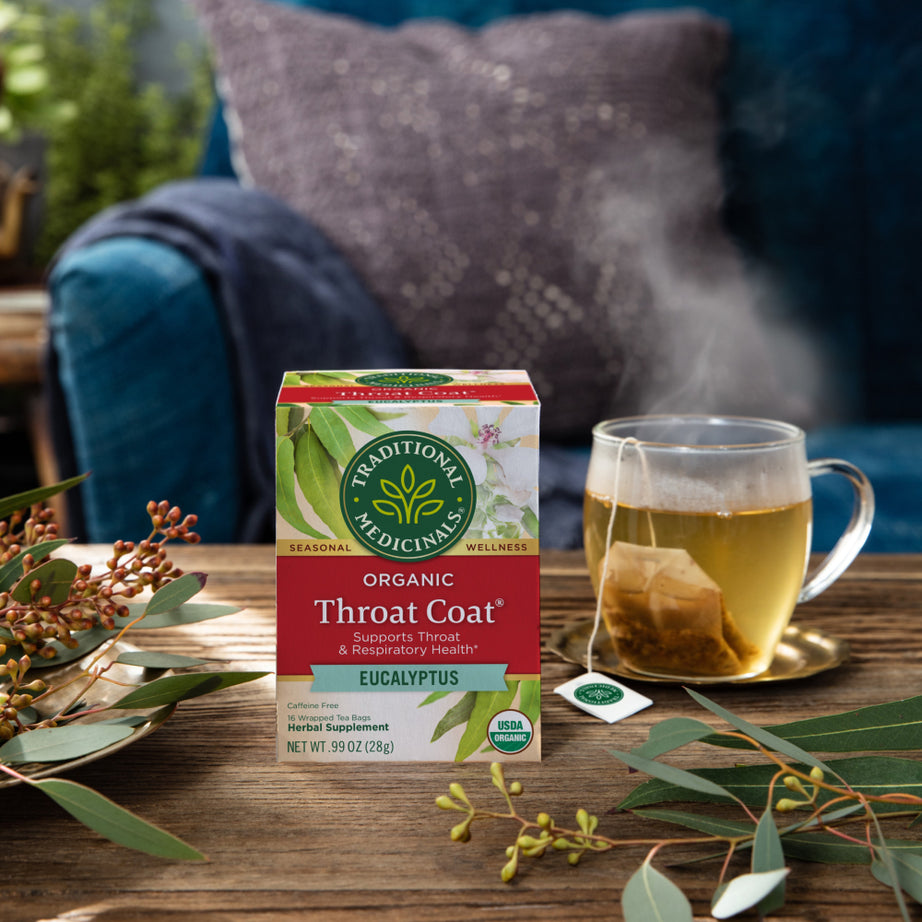
Throat Coat® Eucalyptus Tea
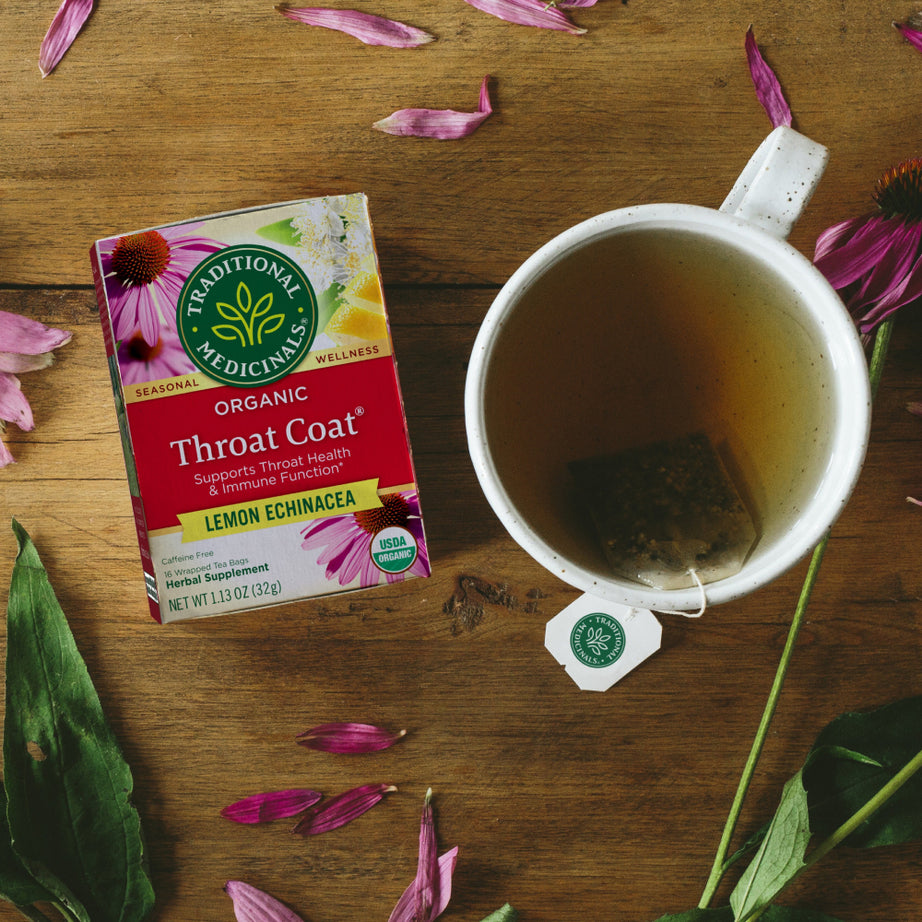
Throat Coat® Lemon Echinacea Tea
Additional Information
Important Precautions
Consult your healthcare practitioner prior to use if you are pregnant or breastfeeding.
Legal Disclaimer
The information and other content in this article are designed to provide a general overview of the botany, cultural history, and traditional uses of this herb. It is not intended and should not be construed as health advice. Every person is unique and you should consult with your health care provider before using any herbal product or supplement.

Become an Herb Nerd & Get 10% Off!
Herbal tidbits, DIY plant projects, exclusive discounts, and recipes to follow the seasons delivered straight to your inbox.