More Astragalus info
Astragalus has been used in Chinese medicine for over 2,000 years.
What are the Benefits of Astragalus? As a favorite among herbaslists and acupuncturists alike, you can often find astragalus simmering uncovered on stoves during the colder months of the year. It’s used to fortify the immune system and support overall well-being. Current research continues to explore astragalus’s role in supporting healthy defenses.
Along with the herb’s incredible immune benefits, it’s been used traditionally to support respiratory, digestive, and heart health. In Western herbalism, it’s seen as a likely adaptogen, an herb that can be used consistently over time to protect the body from occasional stressors and promote vitality.
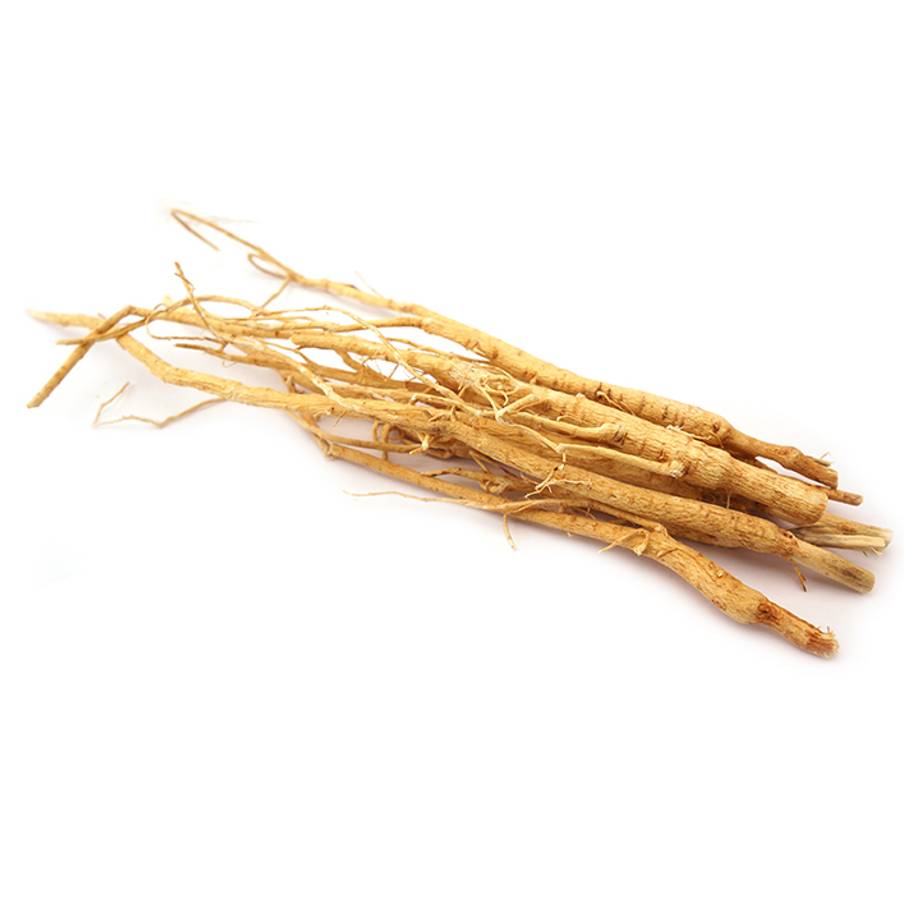
Astragalus, or Huang Qi, is one of the fifty fundamental herbs in Traditional Chinese Medicine. Revered as a top herb, this powerful plant was first mentioned in Shennong Bencaojing (The Divine Husbandman's Classic of Materia Medica) over 2,000 years ago. The herb’s Chinese name (Huang Qi) means “yellow leader.” This is because its roots are yellow, and it is a leader amongst the tonic herbs.
In TCM, it’s used to strengthen wei qi, which is the protective layer that helps our bodies manage challenges from the external world. The roots are energetically sweet and warming by nature. Often, they are sold in thin slices or cooked into traditional soups, broths, and stir-fry dishes. They are also extracted into tinctures and what herbalists call a decoction—a tea made from hearty herbs through a slow simmer—to support immune function.
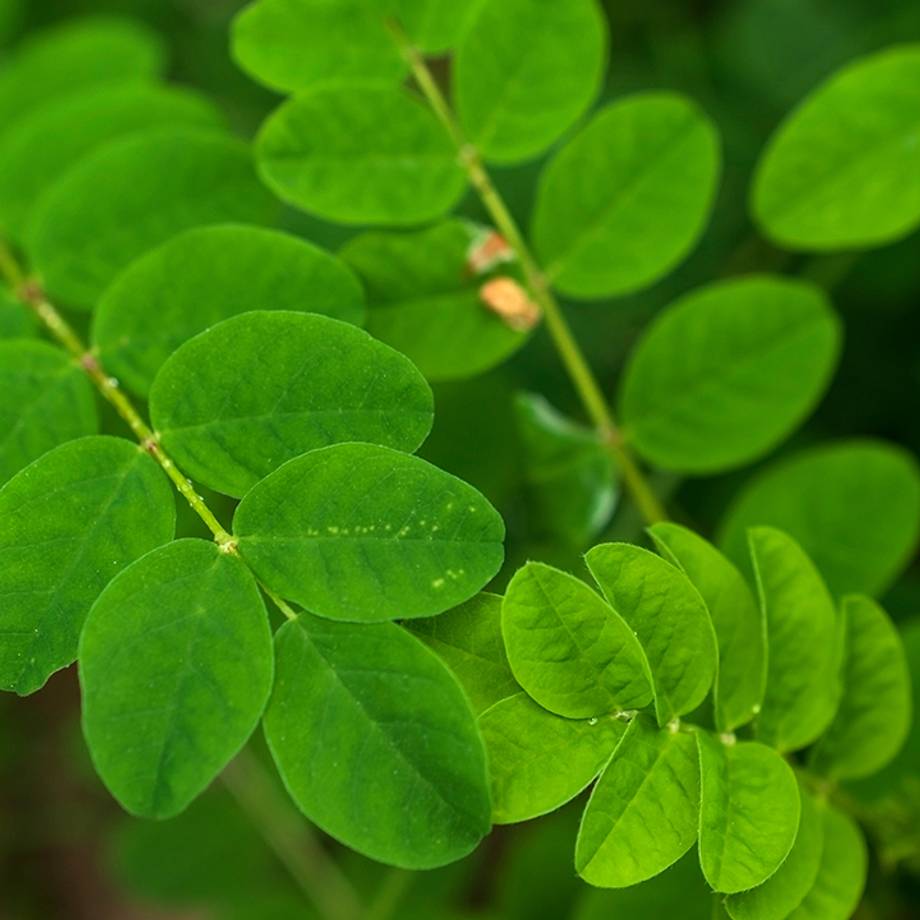
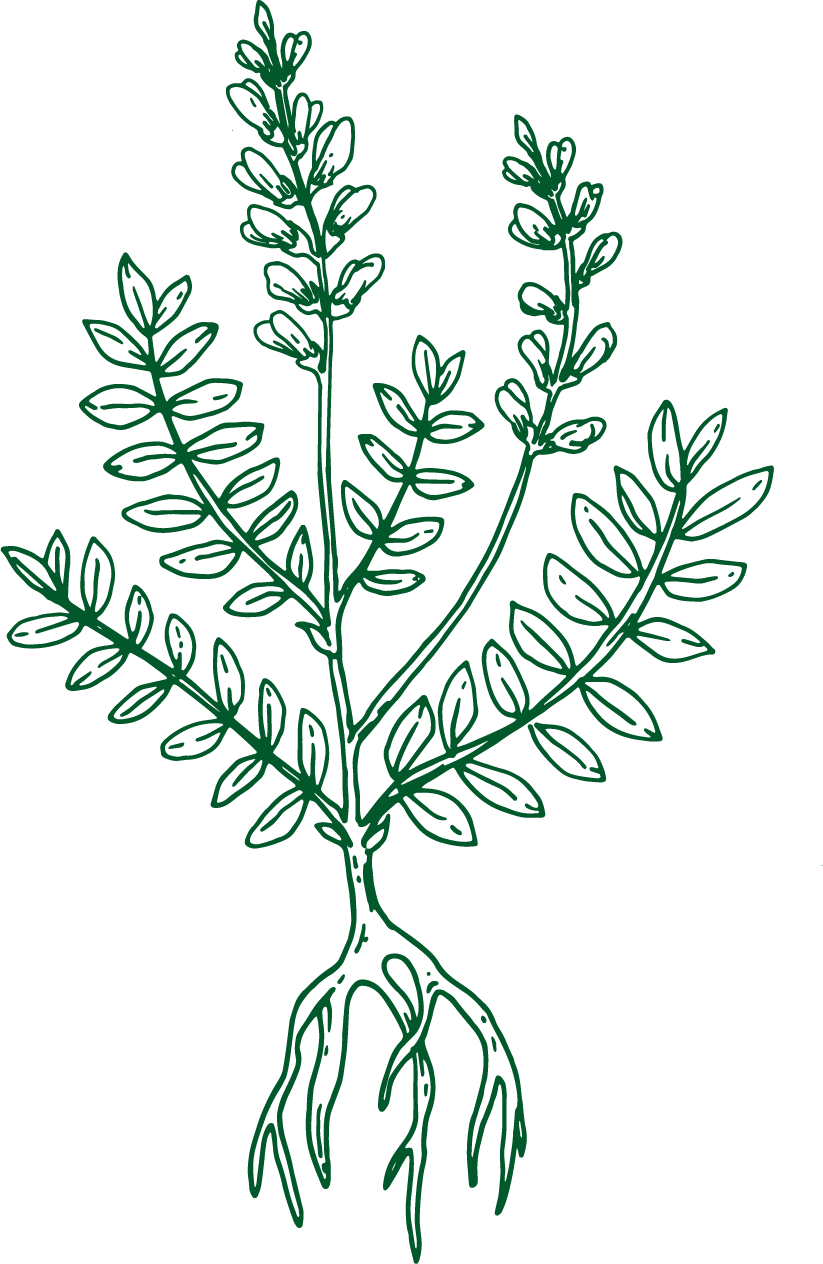
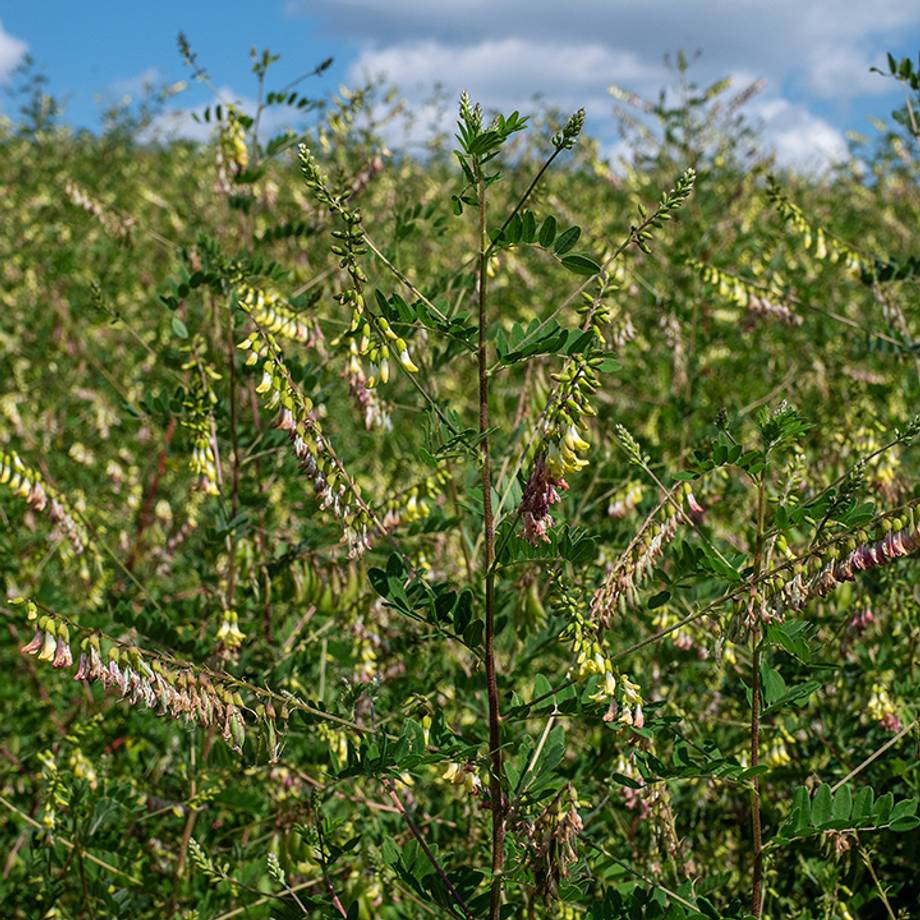
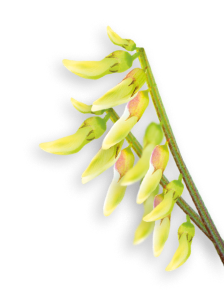
Astragalus mongholicus, also referred to as Astragalus membranaceus, is a perennial plant native to northern and eastern parts of China, Mongolia, and Russia. It’s a member of the legume family, so you may notice its pinnately compound leaves composed of green leaflets and its lovely pea-like yellow flowers. This adaptogenic plant thrives in sandy, well-drained soil and full sun, though it’s very resilient and can thrive in less-than-ideal conditions.
After about two to four years of growth, the roots can be harvested for use in herbal preparations. When sold in the marketplace, the roots are generally sliced thin and sold in a tongue-depressor-like shape. There are over 2,000 astragalus species, so buying and growing the medicinal species is essential, as some are toxic.
Products that contain Astragalus
Additional Information
Important Precautions
Consult a healthcare practitioner prior to use if you are pregnant or breastfeeding, have an acute infection or autoimmune disease, or if you are taking immunosuppressants.
Legal Disclaimer
The information and other content in this article are designed to provide a general overview of the botany, cultural history, and traditional uses of this herb. It is not intended and should not be construed as health advice. Every person is unique and you should consult with your health care provider before using any herbal product or supplement.
Become an Herb Nerd & Get 10% Off!
Herbal tidbits, DIY plant projects, exclusive discounts, and recipes to follow the seasons delivered straight to your inbox.