More Senna info
The herbal laxative to help things move.
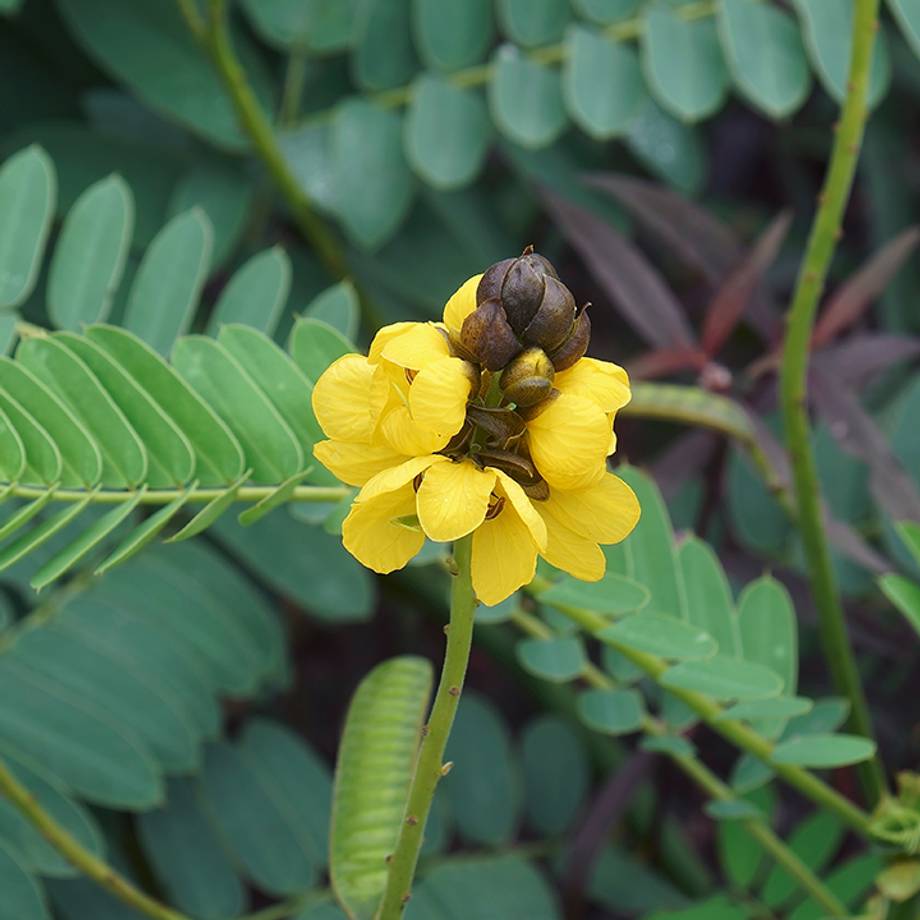
What are the Benefits of Senna? Whether you are traveling, tense, or just simply need to go number two, the benefits of senna tea are incomparable. You might be wondering, “What does senna do to your body?” Senna leaves and pods contain unique herbal compounds called sennosides that produce laxative effects to relieve occasional constipation. They work by gently stimulating your intestines and aiding your body’s natural elimination process thus supporting healthy transit times and gut motility.
As herbalists, we use the whole plant, rather than an extraction of a single chemical compound. The leaves and pods of the plant contain higher amounts of sennosides, which is why we always use aerial parts of the plants and insist on regular testing. These unique compounds are crucial in making your number twos finally feel like a number one priority!
Given its effects, it's best to take senna right before bed to help encourage a morning bowel movement, rather than feeling that urge in the middle of the day. It generally takes 6-12 hours to kick in, giving it enough time to work its magic while you are comfortably in dreamland.
The medicinal uses of senna have been documented since around the 9th century AD by Arabian physicians. More recently, its residue has been found in Egyptian pottery jars dating to about 3150 BCE. While we generally consume this herb as tea, ancient artifacts suggest senna was preserved and used as an herbal wine, and taken as powders, decoctions and syrups before that time. Arabian physicians are credited for bringing senna into the European medical system, and since then, many formulas have been made to round out senna’s stimulating effects.
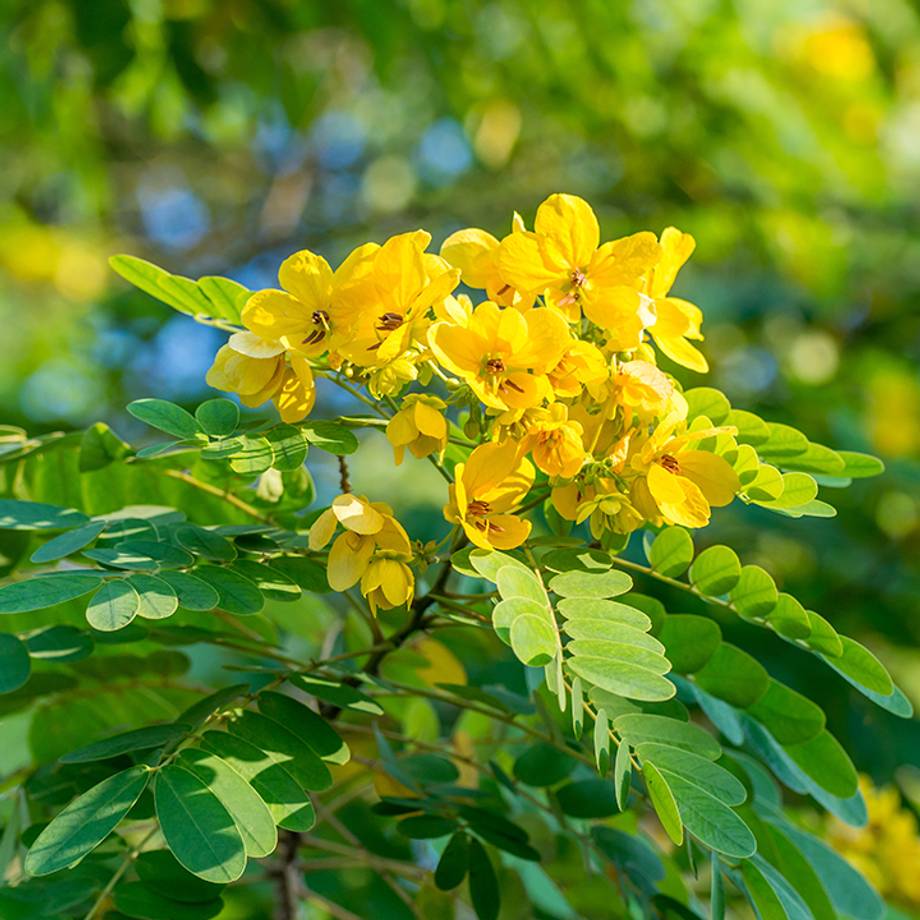
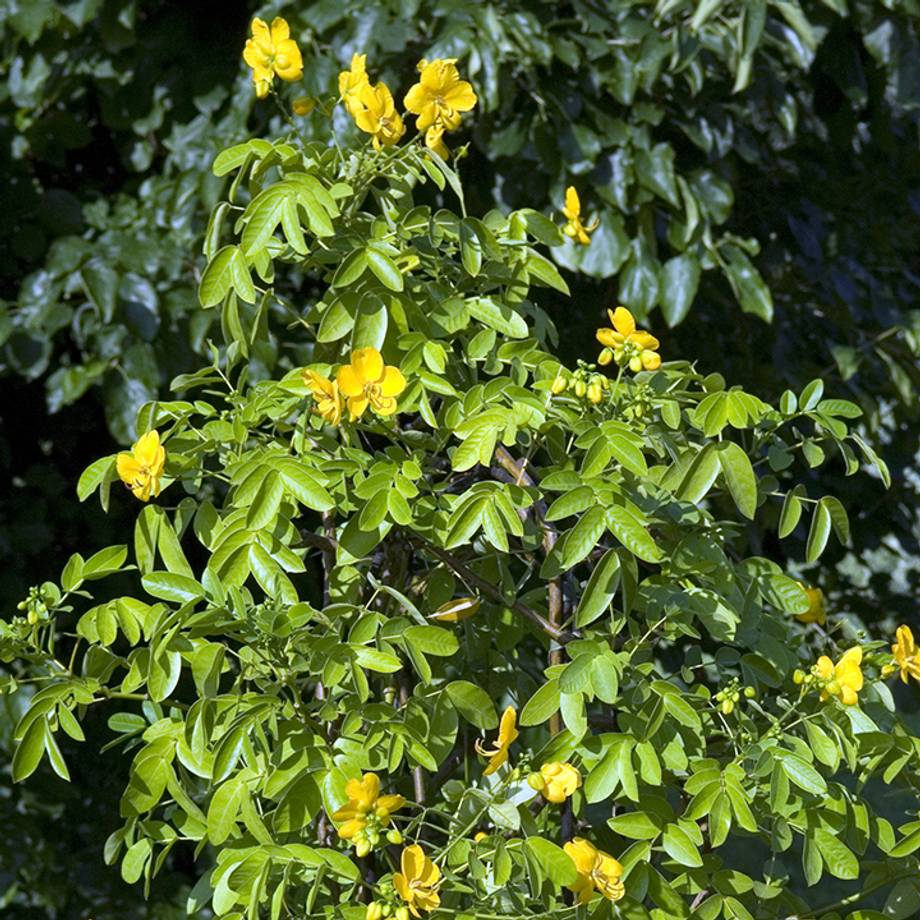
Senna alexandrina is the most commonly utilized species of senna for herbal medicine, but it has also been classified within the genus Cassia. “Cassia” derives from the Greek word kasia, which means “aromatic shrub.” Its common name “senna” originates from the Arabic word sanaa, which means “thorny bush,” along with sana in Persian and sena in Urdu. It is also part of the Fabaceae family, making it a relative and somewhat lookalike to everyday peas and beans.
Where most plants struggle, senna thrives. This drought-tolerant shrub is ideal for desert ecosystems that need dune stabilization and have low annual rainfall. Senna is native to most of North Africa and is still thriving and commercially grown along the Nile River; it is also native to India, currently known as the world’s largest senna-producing country.
Additional Information
Important Precautions
Do not use if you have or develop diarrhea, loose stools, or abdominal pain because senna leaf extract may worsen these conditions and be harmful to your health. Consult a physician if you have frequent diarrhea or if you are pregnant, nursing, taking medication, or have a medical condition.
Do not use if you have ileus, intestinal obstruction, intestinal stenosis, atonic bowel, acute intestinal inflammation (e.g., Crohn’s disease, ulcerative colitis), appendicitis, abdominal pain of unknown origin, severe dehydration states with water and electrolyte depletion.
Legal Disclaimer
The information and other content in this article are designed to provide a general overview of the botany, cultural history, and traditional uses of this herb. It is not intended and should not be construed as health advice. Every person is unique and you should consult with your health care provider before using any herbal product or supplement.
Become an Herb Nerd & Get 10% Off!
Herbal tidbits, DIY plant projects, exclusive discounts, and recipes to follow the seasons delivered straight to your inbox.